










RV life isn’t just limited to warm months. In fact, RVing is an increasingly popular method of travel throughout the winter. An estimated 28 million Americans planned to RV during the winter in 2025.
Winter offers a slower travel pace, fewer people, unforgettable scenery that you cannot find during any other time of year. Comfortable winter RV living depends on smart heating strategies, simple habits that keep water flowing and reduce condensation buildup and the right campground.
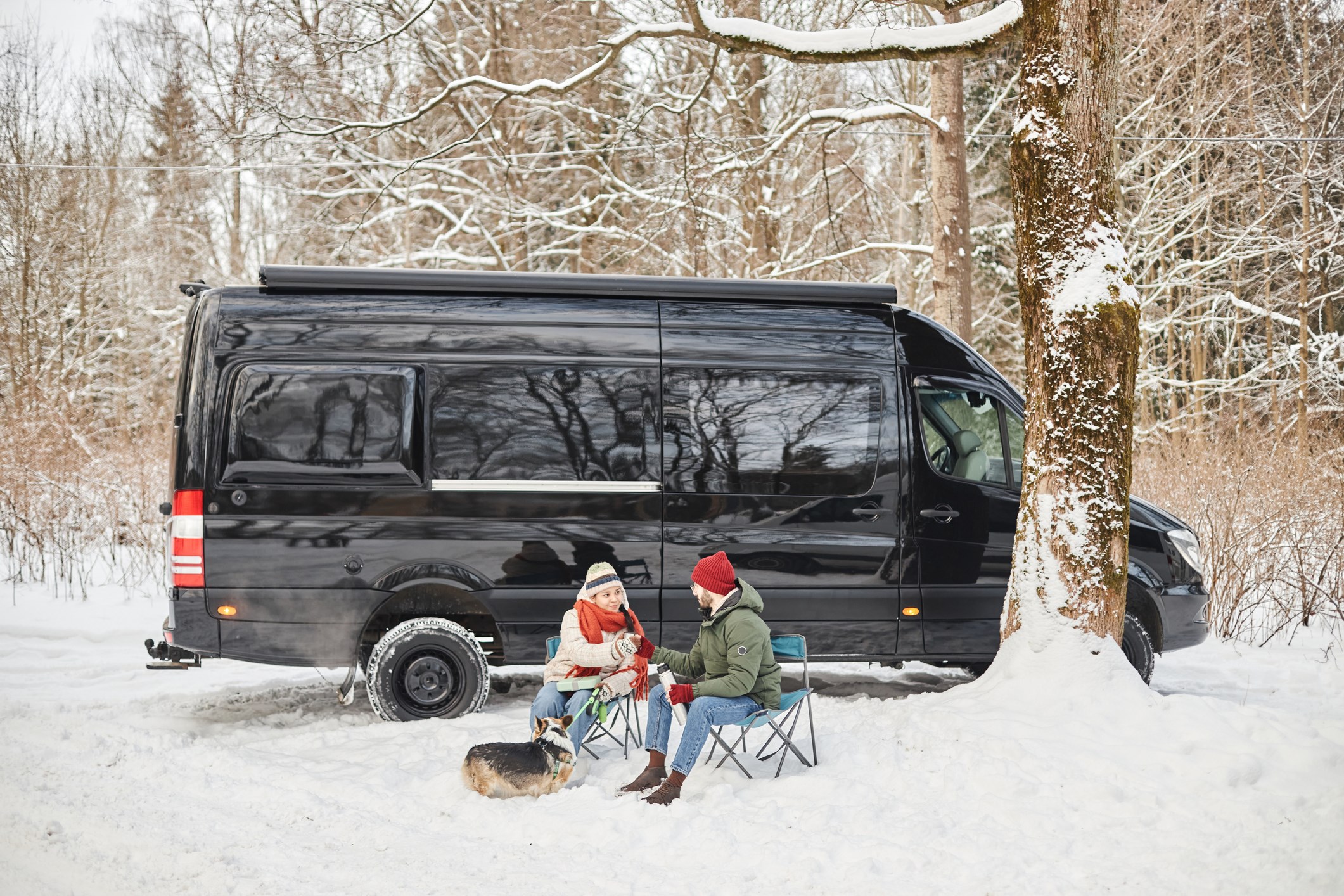
What Daily Life Looks Like When Wintering in an RV
Winter RV camping for a weekend feels entirely different from staying for the whole season. When you stay put for weeks or months, your campsite becomes an extension of your living space and the rhythm of your days settles into something slower, shaped by the weather outside your window.
What Mornings Feel Like
You wake up slowly, tucked under flannel sheets and cozy blankets. The first thing you may notice is how the weather shapes the morning, whether the day starts with fresh snow, clear skies or steady rain. Long winter camping also means a few extra morning tasks. Check the propane gauge, look for condensation or cold areas near plumbing and wipe down foggy windows.
What Afternoons Feel Like
Afternoons might mean logging a few hours of work or heading outside to enjoy the day. Some afternoons call for a hike, while others are better spent fishing from a quiet bank. Winter hiking gives you a chance to be more connected with the landscape since there are usually fewer people. Remember to dress in outerwear and layers that will keep you warm against the cold before heading out.
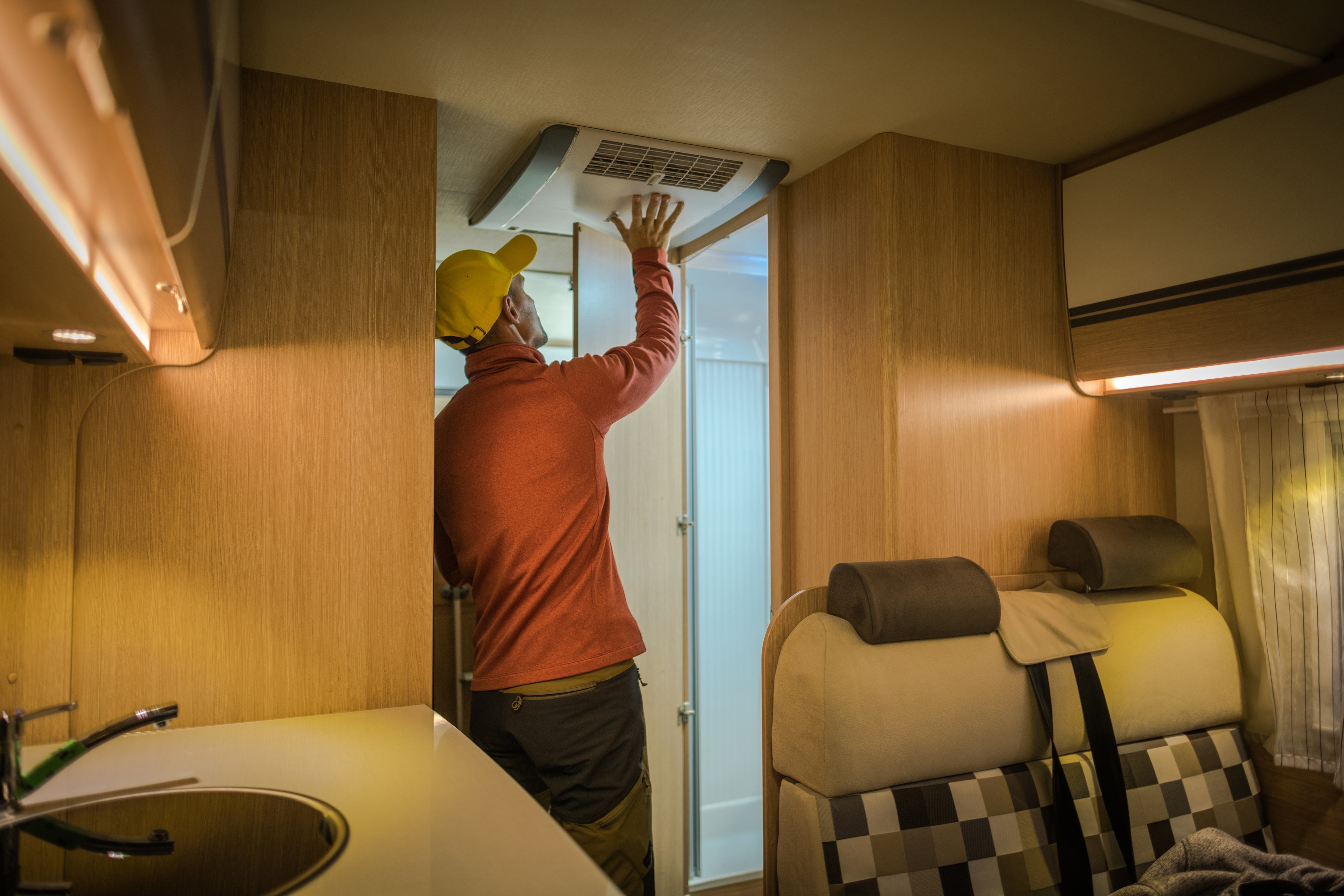
When conditions allow throughout the day, you may also want to crack open a roof vent to improve ventilation inside your RV.
What Evenings Feel Like
Evenings invite a campfire or a good book, depending on the mood. Winter nights may also make you want to cook something warm and comforting, like chili, soup or tasty grilled sandwiches. Before settling in for the night, run through a quick check of the RV system. It is important to check tank levels and disconnect hoses if temperatures are going to drop overnight.
A quick hot shower at a KOA campground with clean bathrooms and hot water is a great way to end the evening. It also lets you reduce water use in your RV, puts less strain on your gray water tank and makes daily routines more comfortable during a long winter stay.
Is Your RV Ready for Extended Winter Camping?
Long-term RV camping requires a winter-ready rig. Most RVs are three-season vehicles, rated for spring, summer and fall, rather than the deep cold of a long winter stay.
RVs built specifically for winter carry extra insulation and heated holding tanks. Knowing exactly what your rig can and cannot handle lets you make smart upgrades instead of getting caught off guard once temperatures drop.
Understanding Your RV’s Season Rating
“Four-season” is a marketing term without a universal industry standard. Because of this, two RVs with the same label can perform very differently in cold weather. Rather than relying on a label, focus on the specific features that actually determine cold-weather capability:
- R-values: Insulation with higher R-values provides better heat retention, which can help reduce heat loss through the floor, walls and roof.
- Underbelly design: An enclosed underbelly blocks wind and debris but does not produce heat on its own. A heated underbelly needs an actual heat source, whether that is furnace ducting routed into the space, 12-volt electric heat pads or both.
- Dual-pane windows: Single-pane windows lose heat fast and are a primary condensation surface inside a winter rig. The terms “dual-pane” or “thermal-pane” for RV windows can be misleading, since some fall far short of residential double-pane performance. Ask specifically about window construction rather than taking the “dual-pane” label at face value.

4 Key Systems to Inspect Before an Extended Winter Stay
Before settling in for the winter, give your RV a thorough inspection, especially these four systems:
- Furnace: Choose a furnace sized for your RV’s square footage, insulation and heating design, since undersized units may struggle to keep up over a full season.
- Battery health: Cold temperatures can reduce a low-charged battery’s performance, making it more difficult for the systems that keep water lines and other components from freezing to work properly. The propane furnace draws up to 7 amps of electricity while running, a significant drain on the coach battery without electric hookups.
- Water line location: Check whether water lines run inside the heated envelope or below the floor. Lines that run below the floor can freeze without a pipe heater.
- Heated holding tanks: Gray, black and fresh tanks each need heated protection, though many rigs only heat the black tank. Heating pads offer some protection, but they cannot prevent the tank from freezing in the coldest temperatures.

Winter RV Living is More Than Cold-Weather Camping
Staying in an RV for more than a month during winter is a different commitment than camping in cold weather for a weekend. Long-term winter camping means you shift from reacting to the cold to managing it as part of daily life.
Three basic shifts come with committing to a full season:
- Take an active role in heating your RV, so you can enjoy a warm, comfortable space all winter long.
- Implement smart water strategies that keep everything flowing smoothly, no matter the temperature outside.
- Stay ahead of condensation to maintain a dry, comfortable living environment throughout the season.
1. Implement Heating Strategies That Actually Work
Staying warm during winter requires a layered strategy. This includes a propane furnace, supplemental electric heat and a smart campsite setup, all working together. None of it is complicated once you understand how the pieces fit, and most RVers settle into a routine within the first week or two.
Manage Your Propane Through the Season
Knowing how your furnace performs helps you avoid running out of propane on cold mornings. Propane use can rise sharply during cold weather, especially when your furnace runs often. RV skirting, insulation, and supplemental electric heat can help reduce furnace demand, but actual propane use depends on your RV, weather conditions, and campsite setup.
Check your propane before bed each day to make sure you have enough propane to get through the night without waking up cold. Be sure to refill or exchange the tank before levels drop critically low. Some campgrounds sell propane onsite, some don’t – so it’s important to ask before nighttime to ensure you can fill up!
Consider Campsites With Full Hookups
While not every winter camping setup needs a full hookup, having one can make a big difference. Long-term camping sites with electric hookups let you run one or two supplemental electric space heaters, cutting your propane consumption dramatically. The furnace may still need to run periodically if it supplies heat to the underbelly or water lines.
2. Water Strategies That Keep Things Running
Winterizing an RV for storage requires draining its water, but for winter living, you must keep the water system warm. With the right guidance and techniques, you can avoid frozen pipes and dead batteries throughout a long-term monthly RV camping experience.
Skirt Your RV to Help Trap Heat
Skirting ranks among the most impactful, cost-effective upgrades for an RV. Its mechanical function is twofold:
- It blocks wind from stripping heat from the underbelly.
- It helps trap warmer air around the underbelly.
Skirting keeps the underbelly warmer than the outside air, which takes the pressure off your furnace and can help keep your water lines from freezing. Many RVers consider it one of the first upgrades worth making before the winter season begins.
Follow Your RV Manufacturer’s Instructions
Guidance on handling water systems during the winter varies by RV brand and model. Manufacturer documentation will typically cover things like:
- Water system and pipes: Look for the minimum temperature the water lines can handle and whether they are routed inside or outside the heated envelope. Also, check whether the manufacturer recommends any specific insulation or heat tape for your specific RV model.
- Holding tanks: Check whether the tanks have built-in heating and what temperature they’re rated for. Also, confirm if aftermarket heating pads are compatible with the tank material.
- Water pump: Look up the minimum operating temperatures and whether the pump needs any winterization steps, even during active use.
- Water heater: Find out how to operate and maintain your water heater in freezing temperatures, including any overnight protection steps recommended for your model.
Every RV is different, so knowing what your specific rig can handle takes the guesswork out of staying warm and keeping water flowing all season.
Maintain a Minimum Interior Temperature
Never let your RV go unheated, even for a few hours away from the rig. Heat loss happens faster than most people expect, and pipes in exposed areas can freeze quickly.
Check your manufacturer’s specifications for cold-weather operation, and set your thermostat at or above the recommended minimum temperature. For extra peace of mind, use a wireless sensor. A sensor near exposed pipes can tell you what is happening in areas your thermostat cannot reach.
3. Minimize Condensation to Protect Your Rig From Mold
Just by breathing, you release moisture into your RV’s air, and you add even more when you start factoring in cooking and showering. Inside a winter rig, that moisture can show up as fogged windows, damp walls near the bed and frost forming on metal surfaces. Left unchecked, it can lead to mold, mildew and moisture damage behind walls and around windows.
A few consistent habits are enough to keep moisture in check all season:
- Crack a roof vent even in cold weather, since a small amount of airflow moves moisture out.
- Run a small dehumidifier.
- Run the range hood exhaust during cooking and for several minutes after.
- Wipe down windows and condensation-prone surfaces daily.
Essential Winter RV Safety Tips
Staying warm in a winter RV means running propane appliances and electric heaters more often. A few basic safety habits make that manageable:
1. Test your carbon monoxide detector and ventilate
If you will be running propane appliances throughout your stay, make sure your RV has a working carbon monoxide detector and test it regularly. Even in cold weather, slightly cracking a roof vent helps maintain airflow and prevent dangerous buildup.
2. Keep outdoor equipment outside
Do not use outdoor propane heaters, grills and generators inside your RV. Running any of them in an enclosed space can produce carbon monoxide at dangerous levels.
3. Use electric space heaters safely
Space heaters are useful heat sources, but they can draw significant amperage. Avoid running two heaters on the same circuit, and if you are connected to the campground’s electrical hookups, verify the capacity before adding more than one unit.
4. Follow manufacturer guidance
Your RV owner’s manual covers safe operating temperatures for your furnace, water system and holding tanks. Following those recommendations is the most reliable way to protect your rig and stay comfortable.
5. Check campground policies
Before installing skirting or other winter equipment, confirm what your campground allows. Some locations have restrictions on what you can attach or place around your RV. Campground restrictions often exist for fire safety reasons, so it is worth checking before you set anything up.

How to Choose the Right Extended Stay Campground for Winter
Once winter RV living feels like the right move, the next question becomes where to stay. First, check that potential campgrounds offer extended stays and whether they are open in the winter months. Then consider what each campground offers. Amenities at Kampgrounds of America locations vary by campground, so look for features that are most important to your stay, such as:
- On-site staff: Campground staff can provide campground-specific guidance for winter camping, including site setup, local conditions and seasonal policies.
- Laundry facilities: Winter clothes take up plenty of space, and on-site laundry facilities make it easier to pack light while keeping your gear clean all season.
- Bathhouse access: A steaming shower after spending time outdoors on a cold winter day is hard to beat, and bathhouse access adds real comfort to a long stay.
- Easy access to town for supplies: Being close to town keeps supply runs comfortable rather than a chore, and some campgrounds also stock a store with the essentials you need close at hand.
- Full hookups: While not essential, full hookups can make a meaningful difference when you are camping throughout the winter. Depending on the site’s electrical capacity, electric hookups may let you run an electric heater setup, taking pressure off your RV’s furnace.
- Propane access: Confirm whether a campground sells propane on-site or knows of a nearby supplier, so a cold snap never catches you off guard.
- Campground Wi-Fi: If you plan to work remotely, check whether a campground offers a stable connection before you commit to a long stay.
With the right campground checked off your list, you can make the most of your winter adventure.
Plan Your Extended Winter Stay With KOA
You now have a realistic picture of what it takes to live comfortably in an RV through the winter months. Rig readiness, heating strategy, water routines and condensation control are all manageable with the right habits in place. The next step is choosing where to put that knowledge to work.
Winter availability, hookups and amenities vary by campground, and locations that are open year-round may not offer the same services in the winter as during other times of the year. Be sure to call the campground you plan to stay at to make sure they have the services and amenities you need.
If you are planning to stay for 28 days or longer, reserve your site by phone. Be sure to call early to book before the season fills up. KOA Rewards members can also earn points on qualifying stays.
Ready to find a home base for the season? With over 500 locations across North America, you can find a campground in an area you want to visit. Discover the benefits of an extended stay at KOA and start planning your adventure.

About the Author: Kampgrounds of America
Kampgrounds of America is the largest system of open-to-the-public campgrounds in the world, with over 500 locations across the United States and Canada. Founded in Billings, MT in 1962, KOA’s family of campground brands – KOA Journey, KOA Holiday and KOA Resort – today serve more than a million camping families each year. KOA is dedicated to “connecting people to the outdoors and each other” by providing people with a variety of camping experiences and the information they need to make the most of their camping trip. Read more of their camping and travel resources by visiting KOA.com/blog.