










Are you dreaming of hitting the open road in your own RV? With so many classes and types of travel trailers available, how do you choose the perfect one? Understanding the nuances of each RV class is key to unlocking the ultimate adventure.
RV Categories
Learn more about the two main types of RVs before choosing the best option for your needs:
- Motorized: A motorized RV is also known as a motorhome, and it is one that you can drive. This eliminates the need to tow it behind another vehicle.
- Towable: You must tow fifth-wheels and bumper-pull travel trailers behind another vehicle.
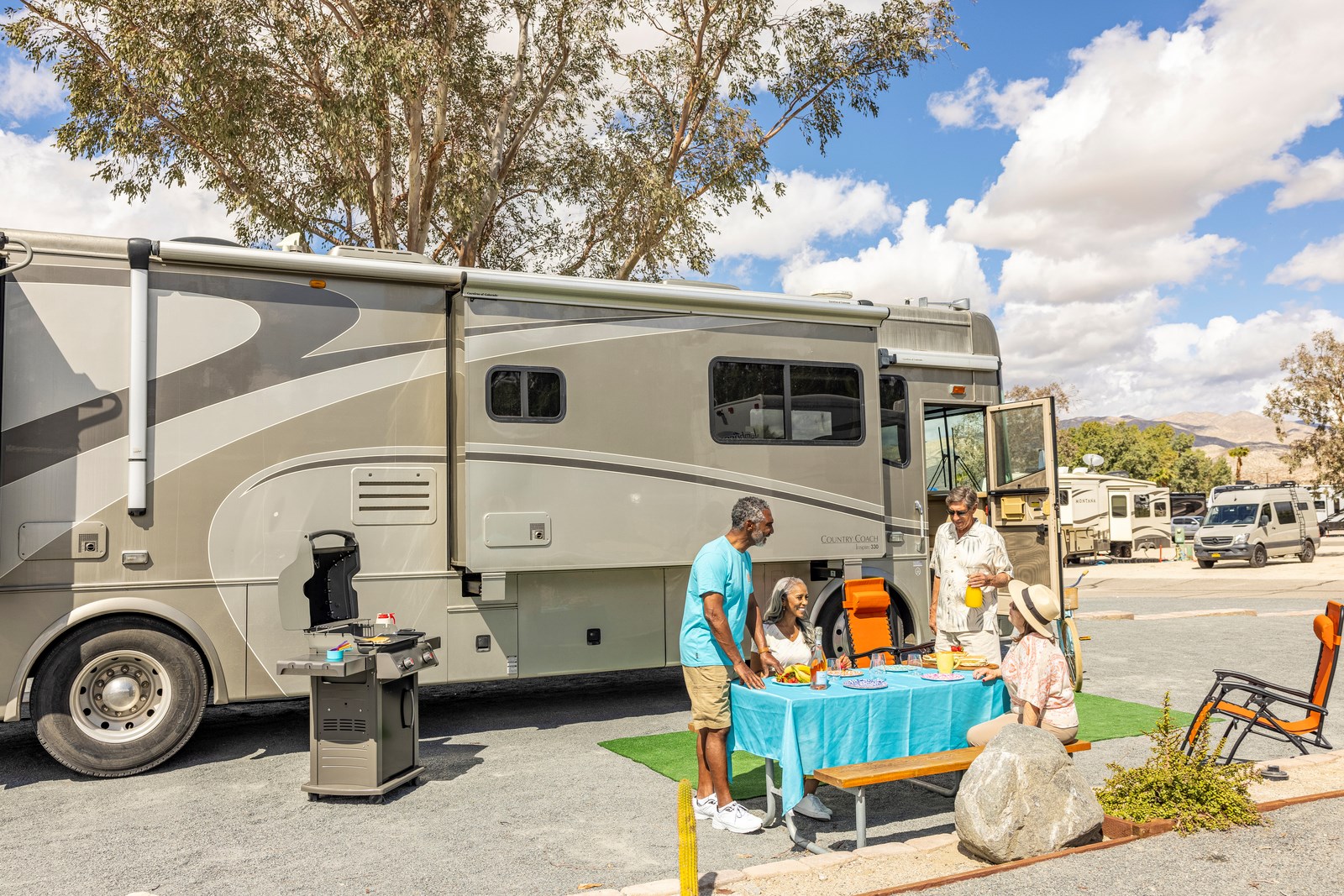
RV Motorhome Classes
These RV motorhome classes offer various benefits for different travel preferences:
Class A Motorhome
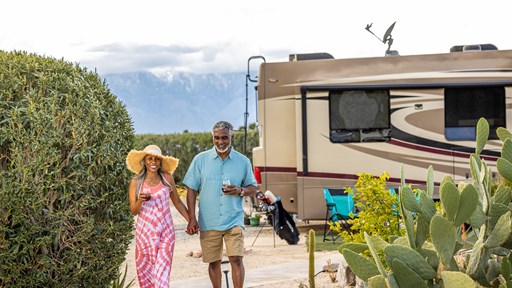
Class A RVs are the largest, most luxurious motorhomes on the market.
- Size: Class A motorhomes range in size from 26 to 45 feet long and up to 8 feet or 8 ½ feet wide. They also range in weight between 13,000 and 30,000 pounds. Each Class A motorhome is built on a single chassis with one to three axles, and heavier coaches tend to have three axles.
- Features: Class A motorhomes typically feature a fully equipped kitchen, appliances, luxurious furnishings and optional upgrades like fireplaces.
- Slideouts: Some Class A RVs feature slideouts, which extend outward at the press of a button. This creates more space to enjoy time with friends and family.
- Cargo capacity: Class A motorhomes reserve unparalleled storage space underneath the living area.
- High-tech systems: High-tech turnkey systems make it easy to run appliances, level the RV and extend and retract slideouts.
- Engine: Class A RV engines can be diesel or gasoline. Gas coaches are the most cost-effective to operate and maintain. Diesel engines usually offer a greater resale value, greater torque, a high towing capacity and a longer lifespan.

Class B Motorhome
A Class B motorhome is a smaller but well-equipped RV often known as a “campervan.”
- Size: Class B motorhomes typically weigh between 6,000 and 8,000 pounds and range in length from 17 to 19 feet. They usually accommodate two to four people, but some models can sleep up to six individuals.
- Features: A Class B motorhome often features a marine shower toilet, a small kitchen and creatively configured sleeping spaces. It may include a queen-sized bed in the back and folding sofas to sleep more people.
- Slideouts: Some Class B motorhome models feature slideouts, which can create more sleeping space.
- Storage space: Class B motorhomes have limited storage space.
- Easy maneuverability: A Class B RV is easier to maneuver and park due to its smaller size.
- Fuel efficiency: Class B RV engines offer excellent fuel efficiency, helping you save money on gas.

Class C Motorhome
Class C RVs fall between the size and luxuries of Class A and B motorhomes. You may recognize a Class C RV by its distinctive cab that extends over its cockpit.
- Size: Class C motorhomes range in size from 20 to 28 feet and are typically 8 feet tall. They can weigh between 10,000 and 13,000 pounds, making them significantly lighter than Class As and slightly heavier than Class Bs.
- Space: The inside of a Class C motorhome combines the spaciousness of a Class A RV with the van-like feel of a Class B cockpit.
- Features: A Class C RV often features a private bedroom in the back and an over-cab sleeping area. Many models also include folding sleeper sofas and slideouts to extend living spaces. You may also find separate shower and toilet chambers, a dining table, built-in cabinets, a television shelf, and a small washing machine or dishwasher.
- Cargo space: Many Class C RVs feature considerable cargo space under the rear bedroom, helping you haul items such as folding chairs and suitcases.
- Fuel efficiency: Class C motorhomes offer greater fuel efficiency than Class A RVs, but they may consume more fuel than Class Bs.
- Maneuverability: Driving and parking a Class C motorhome is typically easier than driving a Class A, but it can be slightly more challenging than maneuvering a Class B.

Types of RV Trailers
The following types of RV trailers are available for outdoor adventures:
Fifth-Wheels
Fifth-wheel trailers are the largest, most luxurious RV trailers. The front of a fifth-wheel is elevated off the ground and extends over the bed of a truck. It is fixed to the truck bed by a hitching mechanism, which enables it to track closely to the truck.
- Size: A fifth-wheel trailer’s size is similar to a Class A motorhome. Fifth-wheels tend to stretch between 22 and 40 feet long and usually sleep four to eight people.
- Comfort: Fifth-wheels are some of the most comfortable of RV trailers due to their size and features.
- Features: A fifth-wheel trailer typically features a private bedroom with a shower, separate toilet chamber and steps that lead to a spacious living area. It is common for a fifth-wheel to feature three or more slideouts, which significantly expands the space.
- Maneuverability: A fifth-wheel is easier to maneuver than alternative RV trailers because it pivots and swivels close to its towing vehicle.

Bumper-Pull Travel Trailers
A bumper-pull travel trailer is comparable to Class B and C RVs in size and comfort, ranging from small and cozy to moderately roomy. They connect to a standard trailer hitch and come in different configurations.
Pop-up and fold-out trailers are low-profile, lightweight options with the open-air feeling of a tent. Teardrop campers are small hardshell trailers with a compact, aerodynamic shape. Consider how bumper-pull trailers differ from RVs and fifth-wheels:
- Size: Bumper-pull trailers are significantly smaller than motorhomes.
- Space and comfort: Large bumper-pull trailers offer space and slideouts comparable to a fifth-wheel but without the addition of an elevated over-cab bedroom. Teardrop campers have enough space for a bed but no living area.
- Features: Pop-up and pull-out campers often include mattresses, pull-out sofa beds, dining areas and small kitchens. A teardrop camper features a bed and opens up to a small outdoor kitchen in the back.
- Maneuverability: Bumper-pull trailers are fairly easy to tow. You can pull smaller models with a sedan or small SUV and larger models with a truck.
How to Choose an RV or Trailer
Each type of motorhome and RV trailer offers its own advantages. The best one for you and your family depends on your camping style, budget, desired space and towing vehicle.
Class A Motorhome
A Class A motorhome is a fantastic option if you spend a significant time on the road. You can enjoy all the comforts of home while on the road.
Before choosing a Class A RV, make sure your planned routes are free of back roads with steep hills, sharp turns or potholes. Most Class A motorhomes also require a 50-ampereage hookup. You may need to park them in a specially equipped facility if your neighborhood has specific motorhome parking rules.
If your RV has a gross combination weight of 26,001 pounds or more, keep in mind that you may need a commercial driver’s license to drive it.
Class B Motorhome
Class B RVs are ideal for couples traveling without children or individuals with limited time for trips. This option is best if you have a limited budget or want a basic mobile base for your camping adventures. It is also ideal for visiting a wide range of destinations because it is easy to drive in remote areas.
Class C Motorhome
A Class C motorhome is an excellent option for families and larger groups. Opt for a Class C motorhome if you want the space and convenient amenities of a large RV without the higher cost of a Class A motorhome.
Fifth-Wheel Trailer
Choose a fifth-wheel trailer if you want to enjoy full-time or long-term travel in a spacious camper with a versatile floor plan. Fifth-wheel travel trailers are ideal for families and travelers who need maximum storage, living space and amenities.
Bumper-Pull Trailer
A bumper-pull trailer is ideal if you want to experience the great outdoors on a limited budget. Bumper-pull campers offer basic comforts, allowing you to explore your favorite destinations with a cozy place to sleep and eat.
Park Your RV at Kampgrounds of America

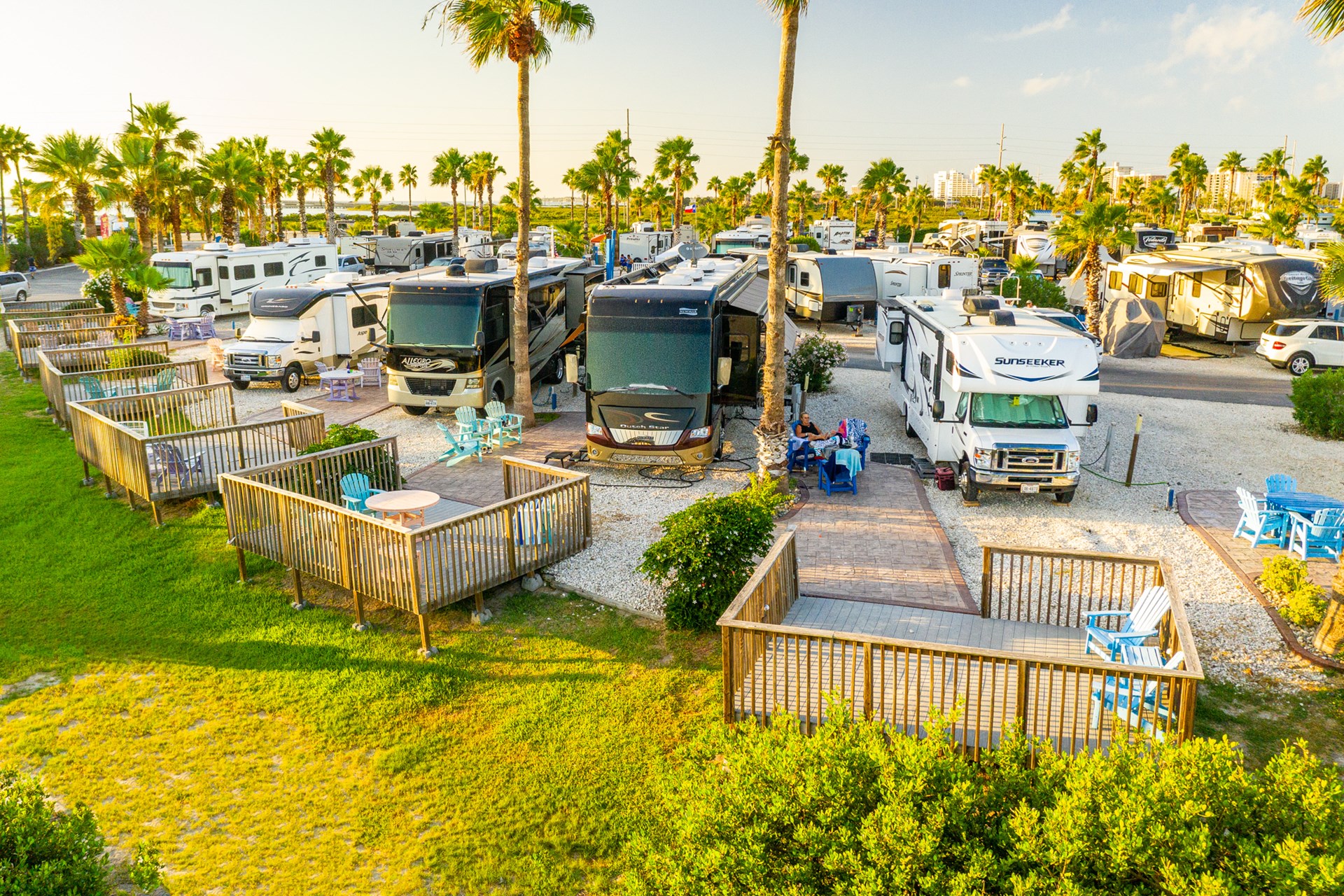
No matter what type of RV motorhome or travel trailer you choose, you can enjoy memorable camping adventures at KOA. KOA locations across North America offer RV Sites with full hookups, accommodating RVs of all sizes. Reserve a stay at KOA to start your RV travels!
About the Author: Kampgrounds of America
Kampgrounds of America is the largest system of open-to-the-public campgrounds in the world, with over 500 locations across the United States and Canada. Founded in Billings, MT in 1962, KOA’s family of campground brands – KOA Journey, KOA Holiday and KOA Resort – today serve more than a million camping families each year. KOA is dedicated to “connecting people to the outdoors and each other” by providing people with a variety of camping experiences and the information they need to make the most of their camping trip. Read more of their camping and travel resources by visiting KOA.com/blog.