







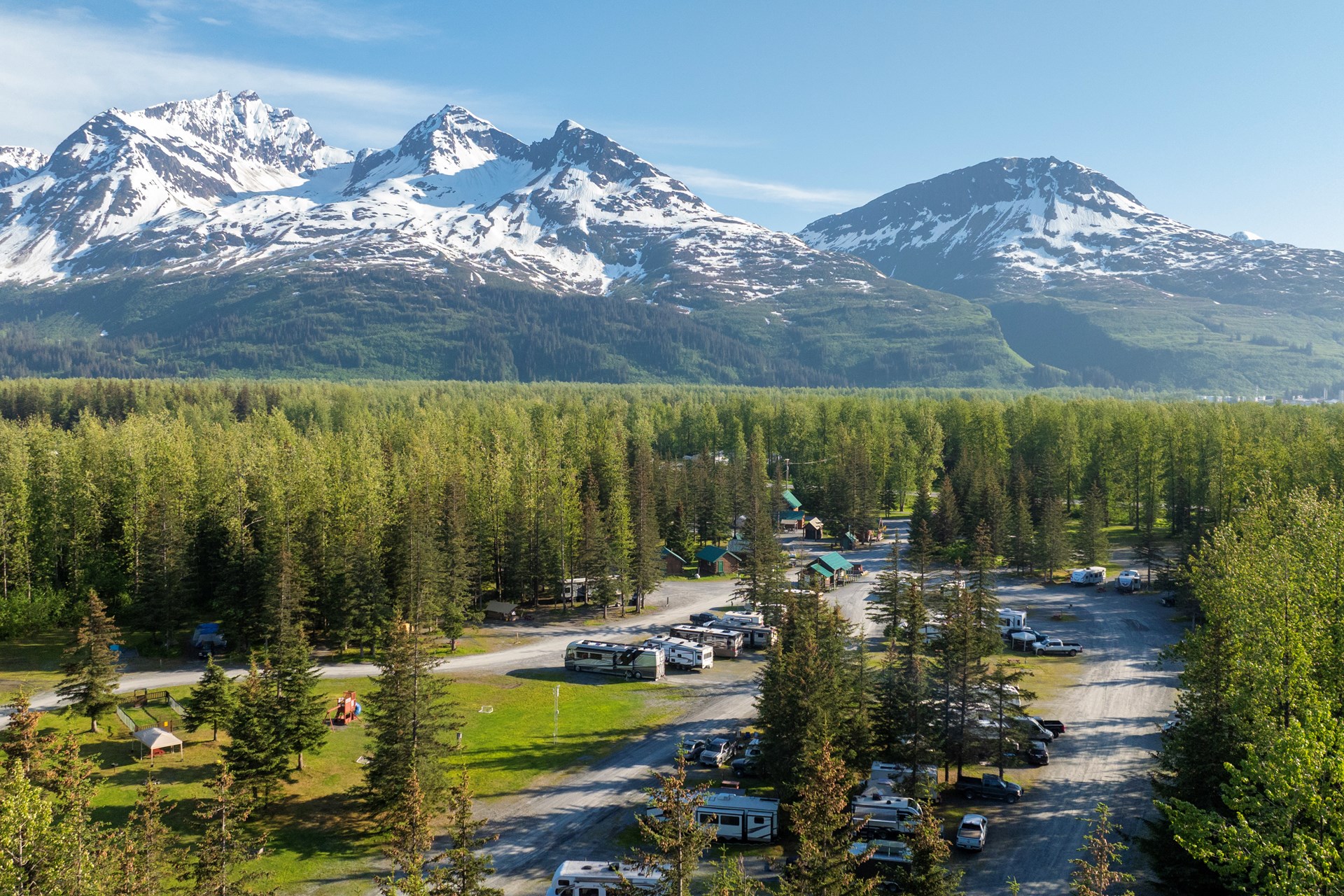
Perhaps no other camping destination in the United States garners more attention than Alaska. Every year, thousands pack up and head to the Last Frontier in search of unspoiled scenery, abundant wildlife, and activities that range from the serene to the ultimate adventure. And it can all be reached from the basecamp of a KOA campground.
Alaska is enormous, so knowing the details for travel around the state is critical for a safe and enjoyable experience. Fortunately, KOA has done the homework for would-be Alaska campers, answering questions about when to travel, finding the best itinerary for specific activities, and top tips for refueling and navigating Alaska’s sometimes tricky roadways.
Getting There
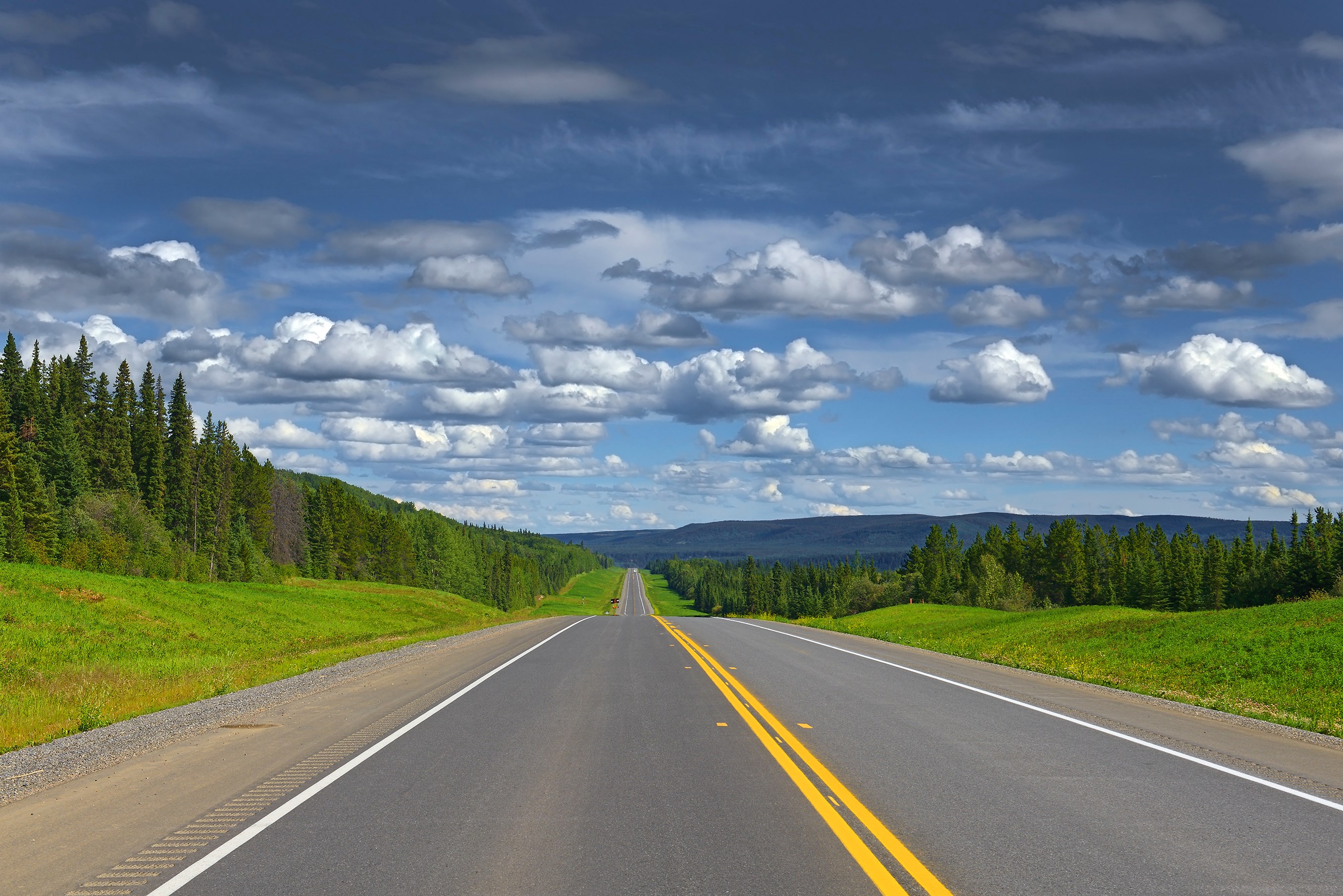
For those wanting to experience the ultimate road trip, driving to Alaska via the Alaska-Canada Highway (often referred to by its nickname, AlCan) is a truly unforgettable journey filled with remote wilderness, stunning mountain ranges, and several KOA campgrounds along the way. This is the route for slower paced travel, as weather, road construction, and wildlife can slow progress. Allow for at least a week on AlCan to fully embrace the adventure, and be sure to reserve campsites in advance wherever possible, as they fill up fast with other road warriors!
Looking for another way to get up north? The Alaska Marine Highway System ferries sail from Bellingham, Washington on a multi-day trip, terminating in both Haines and Skagway, where drivers can make the rest of the trip via road system. However, these vessels quickly can reach vehicle capacity, so it’s absolutely vital to make reservations up to a year in advance!
When to go
While it’s possible to camp in Alaska year-round, the bulk of visitors tend to prefer the spring or summer months. It’s important to note that Alaska’s seasons don’t exactly resemble those of the lower 48 states, so careful planning for rain, snow, sunshine and everything in between is important before camping in far northern latitudes. Of the five Alaska KOA campgrounds, only one, Palmer/Anchorage North KOA Journey, is open year-round with limited amenities.
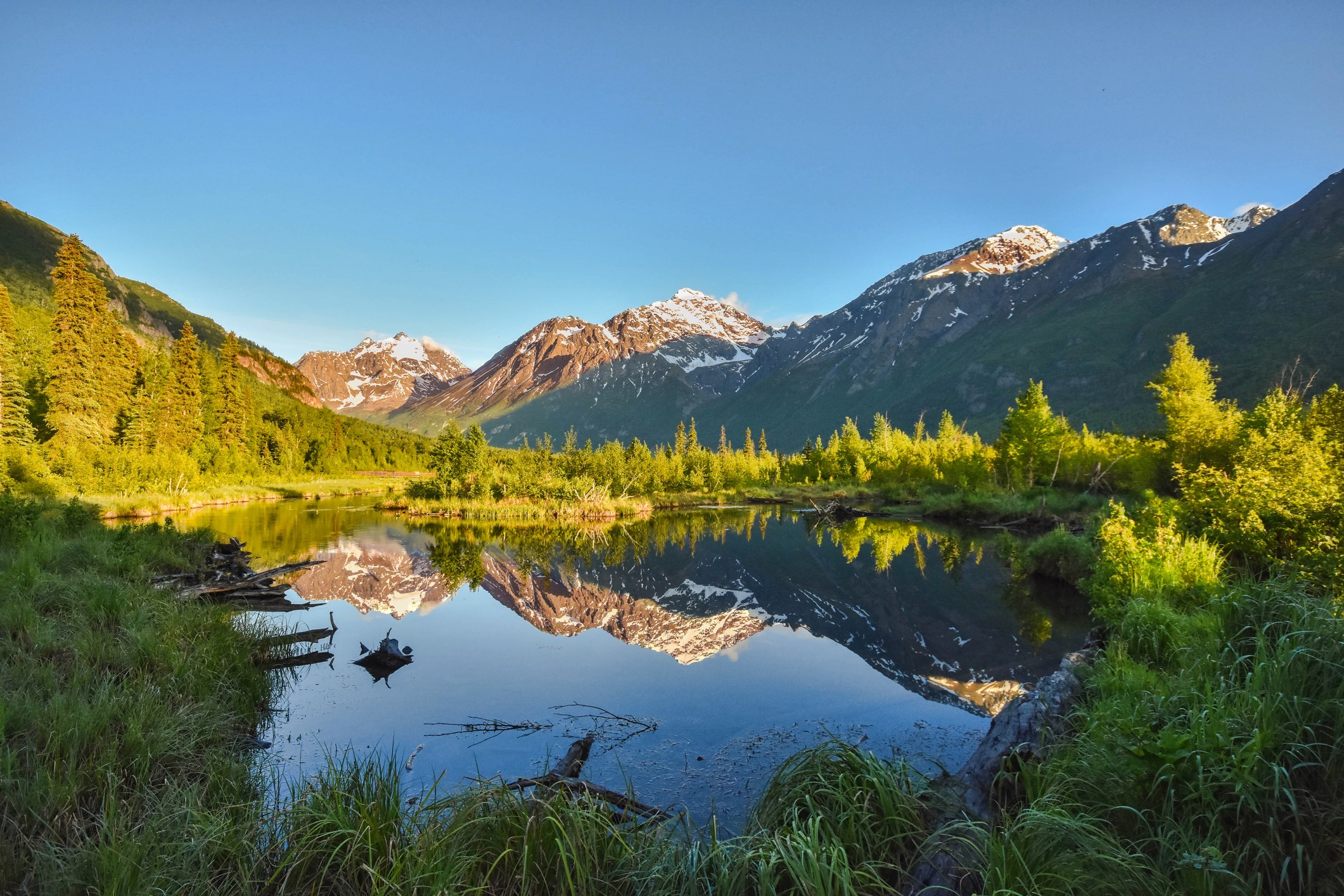
Typically, spring arrives in late May and is characterized by an explosion of greenery among the lower hillsides and meadows. Animals begin to emerge from a long winter of either hibernating or hunkering down, their young often in tow, and Alaska residents begin the process of shifting from skiing and sledding to hiking, biking, and paddling.
Spring also varies in its arrival each year, so visitors wanting to drive to Alaska via Canada’s Yukon Territory should be well aware of the potential weather and road condition hazards. RV travelers in particular should have experience navigating snow and ice, and make sure their vehicle is equipped with the necessary accessories for cold-weather camping.
Summer officially arrives during the annual solstice on June 21, but Alaska’s famous Midnight Sun is obvious by May. This is Alaska’s most frenetic season – residents and visitors alike are making the most of this extremely short season. More than two million people visit the state of Alaska between May and September, so expect the highways – Seward, Glenn, and Parks Highways especially – to be full of other travelers eager to experience Alaska’s wild grandeur.
Alaska’s most quintessential activities happen during the summer months, ranging from fishing to flightseeing, and the summer sun sets around midnight or even later depending upon the latitude, with a lingering twilight that makes evenings around the campfire even more magical.
Make KOA Your Basecamp
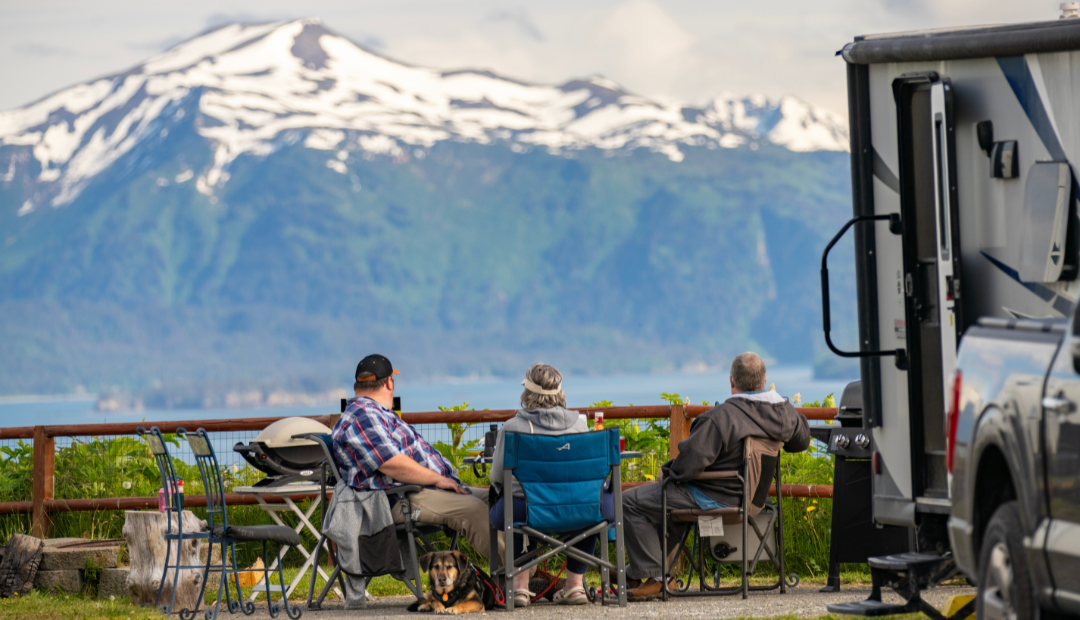
With five full-service KOA campgrounds in the Interior and Southcentral regions, Alaska visitors have a diverse range of landscapes and activities at their disposal. To maximize the experience, it’s highly advisable to choose your highest-priority activities, then map your itinerary around those.
Southcentral Alaska includes the city of Anchorage, the scenic Matanuska-Susitna Valley, Valdez, and Kenai Peninsula communities Seward and Homer. With most air transportation to and from the state originating in Anchorage, this region serves as a hub for most Alaska visitors, with the Glenn and Seward Highways pointing north and south, respectively. Homer / Baycrest KOA Holiday, Seward KOA Holiday, and Valdez KOA Journey are perfect for visitors wanting to combine water sports with the lush coastal forests prevalent in the Southcentral region. Fishing, bear-viewing, kayaking, hiking, and exploring stunning glaciers are all options here, and it’s advisable to spend at least a week making the most of this recreational paradise. Just north of Anchorage, Palmer / Anchorage North KOA Journey provides a nice base camp for those on their way to or from Valdez.
Alaska’s Interior region begins several hours north of Anchorage, and encompasses Denali National Park and millions of acres of raw wilderness. The George Parks Highway begins in Palmer and ends in Fairbanks and is full of beautiful scenery, plenty of wildlife, and myriad opportunities for hiking, rafting, flightseeing, and photography. Palmer / Anchorage North KOA Journey is an excellent base for connecting with the Parks Highway.
Allow at least six hours for the drive to Fairbanks, and make sure to stop along the way at the many pullouts offering stunning views of Denali, North America’s highest peak. Take time to visit Denali National Park’s visitor centers as well, accessible via a short drive from the Parks Highway. Once in Fairbanks, set up camp at the Fairbanks / Chena River KOA Journey, the farthest north KOA. From here, explore this community created during the gold rush eras of the late 1800s, with tours captivating visitors from around the world as they learn about Indigenous cultures, dog mushing, gold panning, and riverboat travel along the beautiful Chena River.
Make the Most of Your Alaska Camping Adventure
Know before you go. One of the most trusted tools for Alaska road trippers is The Milepost, an online guide to all the routes into and around Alaska’s road systems. Sold both digitally and hard copy formats, it’s filled with important tips, route guidance, seasonal road closures, activities, and stops for fuel and food.
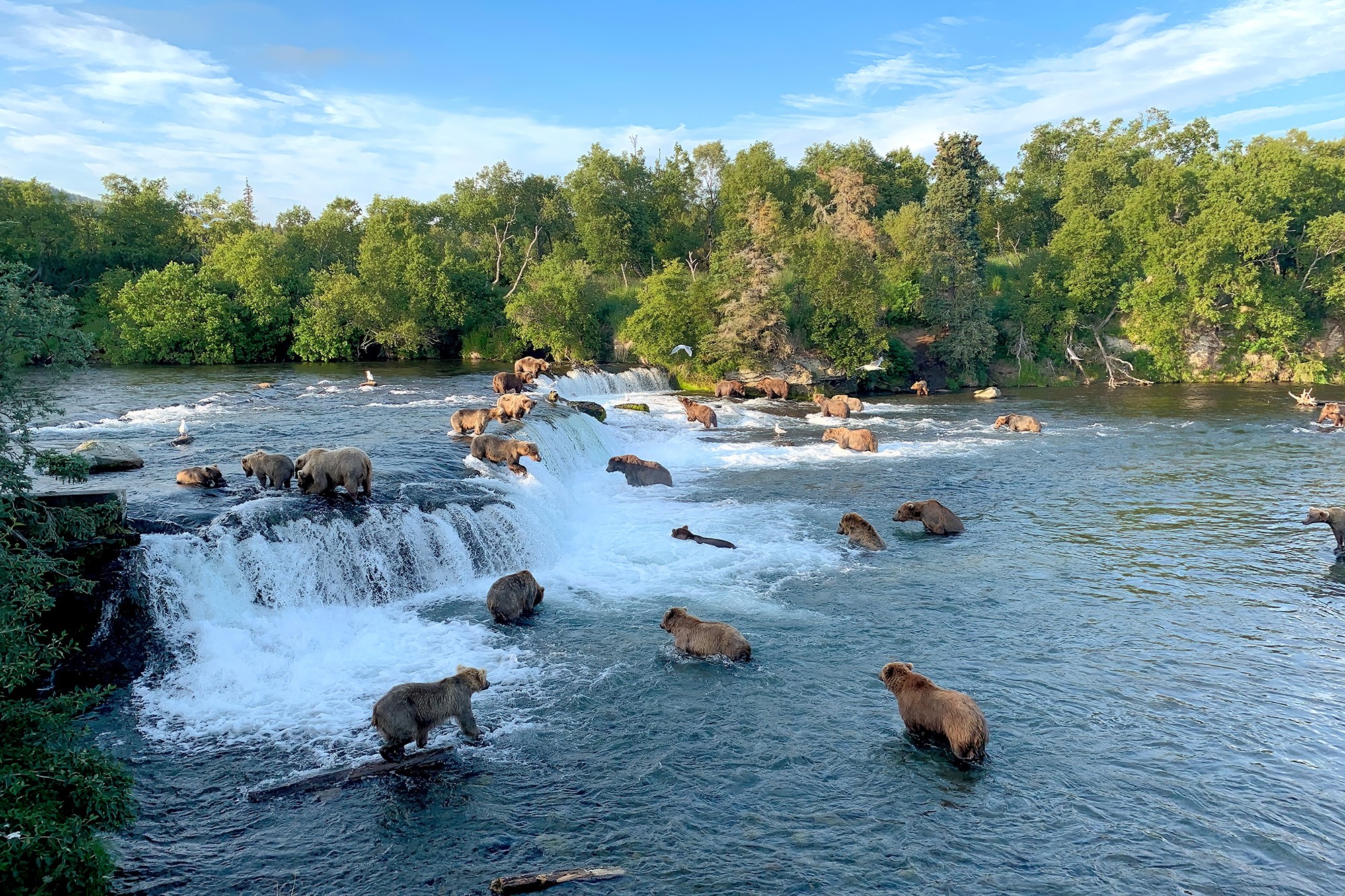
Watch for wildlife. Especially in the spring and summer months, Alaska’s wild animals are busy feeding, raising young, and preparing for another winter. Visitors may observe moose, brown and black bears, and bald eagles. No matter your style of camping, secure all food and scented items in a hard-sided building or vehicle. While hiking, travel in groups, make noise, and don’t ever approach a wild animal, no matter how cute it is. Observe campground rules for trash, and keep pets leashed at all times.
Beware the unpaved road. Alaska’s harsh weather conditions are hard on roadways. What may look to be a sturdy gravel surface can actually hide potholes, frost heaves (large dips in road beds) and other hazards that can damage your vehicle. Slow down, pay attention to all signage, and know that cell phone coverage is spotty in most rural areas of Alaska. Keep a roadside emergency kit handy, and have a plan should a breakdown occur.
Three Alaska Itineraries to Explore
Need a little more guidance on your Alaska adventure? We’ve broken the Last Frontier down into three unforgettable routes. Explore Southcentral Alaska’s coastal towns and glaciers, discover the wild landscapes of Interior Alaska, or combine multiple regions for the ultimate journey through the Great Land. No matter which itinerary you choose, each are packed with their own unique sights and adventures – and comfortable, safe KOAs to make your perfect basecamp.
Itinerary 2 – Southcentral Alaska
About the Author: Kampgrounds of America
Kampgrounds of America is the largest system of open-to-the-public campgrounds in the world, with over 500 locations across the United States and Canada. Founded in Billings, MT in 1962, KOA’s family of campground brands – KOA Journey, KOA Holiday and KOA Resort – today serve more than a million camping families each year. KOA is dedicated to “connecting people to the outdoors and each other” by providing people with a variety of camping experiences and the information they need to make the most of their camping trip. Read more of their camping and travel resources by visiting KOA.com/blog.