









As colder weather descends on Canada and much of the United States, the idea of retreating to a warmer climate might sound ideal. It may also sound like an unattainable dream. If you are an RVer, however, exchanging the impending snowflakes for warm days and sunshine does not just have to be a fleeting idea. The long-term snowbird camping lifestyle might be the perfect solution.
Interest in winter RV travel is growing. In the winter of 2025, 28 million Americans planned to travel by RV, a 33% increase from 2024. For RVers looking for a longer warm-weather escape, snowbird RV camping turns that seasonal travel interest into a months-long lifestyle. Kampgrounds of America has locations throughout the South, desert Southwest, Gulf Coast and West Coast that can help snowbirds settle in for the season.
This guide covers what the snowbird lifestyle actually looks like, where most snowbirds go and how to pick a campground that is built for a long stay, not just a weekend.
Jump to:
Where Do Snowbirds Go?
What to Look for in a Snowbird Campground
How to Plan a Multi-Month Stay
Popular KOA Snowbird Destination States
What Is Snowbird RV Camping?
A snowbird is someone who leaves a colder northern climate and migrates to a warmer southern destination for the winter months, typically in an RV. You may also hear snowbirds called “Winter Texans” or “half-backs,” depending on where they land and where they started their journey south.
Most snowbird RV campers fall into one of three groups:
- Northern residents who pack up, leave their permanent home behind and temporarily relocate via RV or park model (think a small vacation home) in a Sun Belt state — leaving the cold northern weather behind for southern warmth.
- Full-time RVers who change locations throughout the year to follow weather that is kinder on their rigs, staying just ahead of the cold as it moves south and adjusting their route as the seasons shift.
- Seasonal work campers who relocate to different KOAs to serve as hired help during busier seasons, often to supplement retirement income while living as full-time RVers themselves.
While retirees make up a large share of snowbirds, younger RVers and families are showing more interest in the snowbird RV life every year. These travelers are drawn by remote work flexibility, affordable long-term rates and a desire to escape harsh winters.
Snowbird season runs from around October or November through March or April, though the exact timing varies by traveler and destination. Some snowbirds plan their whole year around this window, while others play it by ear, depending on weather and family plans.
Where Do Snowbirds Go? Top Snowbird Destinations
Whether it is beachy campouts or scenic views you are looking for, the snowbird lifestyle has it all. The right pick comes down to what kind of scenery, pace and community fits your style best.
Coastal Areas
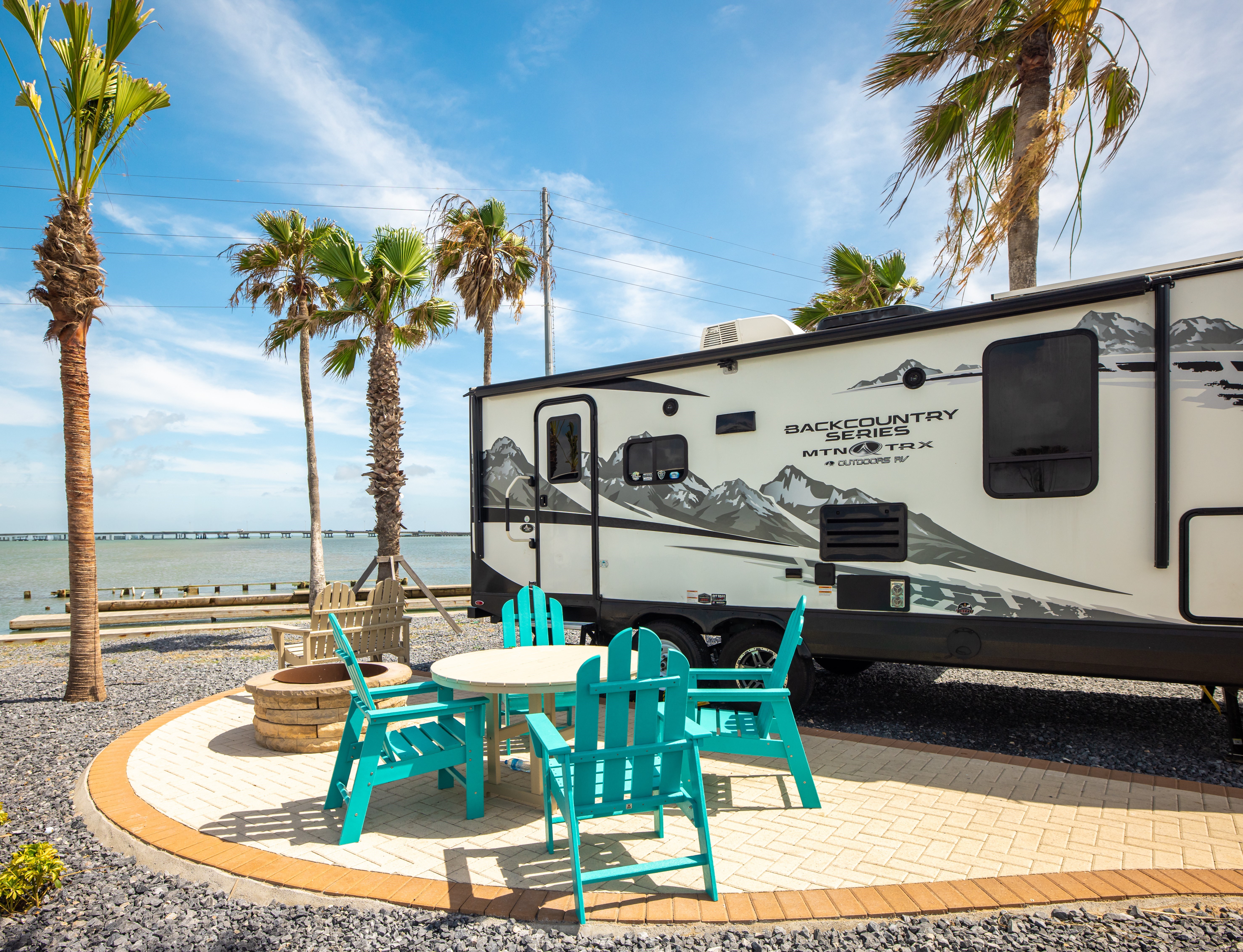
Coastal snowbird destinations draw crowds for good reason, including mild temperatures, easy beach access, fresh seafood and walkable seaside communities. Primary coastal snowbird states include:
- Florida: Known for its large network of coastal campgrounds and consistently mild weather, drawing an estimated 1 to 1.5 million seasonal visitors each winter who trade snow for sand and sun.
- Georgia: Offers a quieter coastal alternative with easy access to the Atlantic coast and moderate winter temperatures.
- South Carolina: Popular for its coastal scenery and Southern hospitality, as well as its milder climate than states farther north.
- Alabama: Draws snowbirds with its stretch of Gulf Coast beaches and a slower-paced coastal lifestyle.
- Mississippi: Appeals to RVers seeking a quieter Gulf Coast experience with fewer crowds than some other coastal states.
- Louisiana: Attracts travelers with its distinct Gulf Coast culture, local food and milder winter temperatures.
- Gulf Coast of Texas: Warm coastal weather and a strong Winter Texan community that comes back year after year.
Many coastal towns also have a slower rhythm in the off-season, which suits snowbirds looking to unwind rather than fill their days with sightseeing and errands. Snowbird season along the coast tends to peak between December and February, when northern winters are at their harshest.
Desert Landscapes
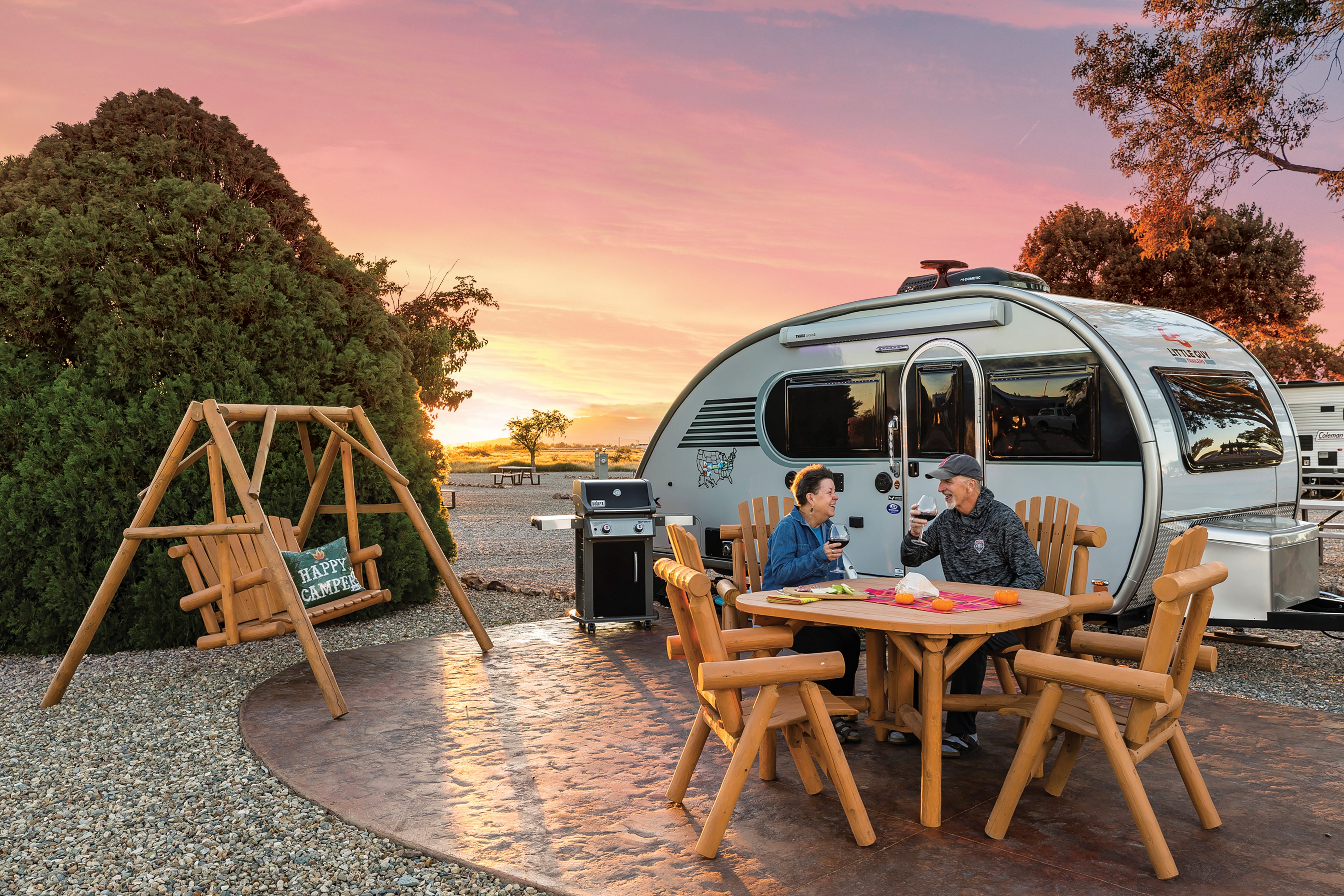
Desert snowbird destinations offer a different kind of winter escape. Dry heat, dramatic scenery and easy access to outdoor activities like hiking and biking make this region especially popular with long-term campers.
Primary desert snowbird states include:
- Arizona: Known for its desert climate, mild winter temperatures and well-established snowbird communities that draw returning visitors each year, especially around Tucson, Yuma and the Phoenix area.
- New Mexico: Draws snowbirds with dramatic desert scenery and a quieter, less crowded alternative to some other desert states.
- Nevada: Offers desert air and mild winters, along with easy access to a variety of outdoor recreation.
- Southern California: Combines desert warmth with proximity to the coast, giving snowbirds access to both landscapes.
- West Texas: Popular among Winter Texans for its dry climate and slower pace, along with potentially more budget-friendly rates than coastal areas.
Arizona and New Mexico have both developed strong, established snowbird communities over the years, with many long-term campers returning to the same locations season after season.
Desert regions tend to offer more budget-friendly extended-stay rates than some coastal destinations. Pricing varies by location and season, so it can help to compare a few options before settling on one for winter.
Regardless of location, many campgrounds offer activities and amenities tailored to long-term guests. They also tend to offer special extended-stay rates that can make seasonal visits easier on your budget.
What to Look for in a Snowbird Campground
Not every campground is built for a multi-week or multi-month stay. Knowing what to look for in advance can make the difference between a great season and a challenging one. Here is what experienced snowbirds check before they decide on a campground for the winter.
Full Hookups
Full RV hookups are a top factor snowbirds use when choosing a campground, and for good reason. A full hookup means your site has direct connections to water, electricity and sewer, typically with 30-amp or 50-amp service available, depending on your rig’s needs and setup.
For a stay that lasts weeks or months, a reliable connection matters more than it would on a quick weekend trip. You will not need to make regular trips to a dump station, your holding tanks will not fill up as fast and daily life starts to feel a little more like living at home instead of camping.
Some KOA campgrounds offer full hookups, so it is worth confirming availability with your chosen location when reserving, especially if you are planning to stay put for several months at a time.
Extended-Stay Rates
Snowbird campgrounds may offer monthly or seasonal rates that are well below standard nightly rates, making a multi-month stay far more affordable than reserving night by night.
Because extended-stay sites tend to fill up quickly, especially in popular snowbird states, reserving early is one of the best things you can do for your season — sometimes months ahead of your planned arrival date.
At KOA, stays longer than 28 days require calling the campground directly, as they cannot be reserved online. Many KOA campgrounds offer extended-stay rates, though availability and pricing vary by location. It is best to explore your extended-stay options at KOA and confirm the details with the specific campground you have in mind before you commit to a full season.
Community and Amenities
The social side of snowbird camping is often what keeps people coming back to the same campground year after year. A strong community atmosphere, engaging activities and friendly fellow long-term campers can make your multi-month stay rich and connected rather than isolating. This is especially true for retirees and full-time RVers spending extended time away from family and friends back home.

Every KOA location offers 4 core amenities:
- A KampK9® pet park
- Laundry facilities
- A playground
- A KOA convenience store
Many campgrounds go far beyond these amenities, featuring swimming pools, lawn games, food, and organized activities. Amenities vary by campground, so be sure to call ahead to see what your chosen location offers before you reserve.
Planning a Multi-Month Stay
Before settling in for a full season, it can help to try a few shorter stays in your preferred region first. Since you will be living at your winter destination for weeks or months at a time, the fit matters. That fit can come down to community as much as location, climate or pricing. Plus, if you are a KOA Rewards member, you qualify for a 10% discount on short-term stays, so check your KOA Rewards benefits when you plan your trip!
Here is a checklist to work through before you choose a camping location:
- Research the location: Look into your preferred destination and climate to narrow down where you want to spend the winter and what kind of pace suits you best.
- Check RV availability: Confirm that your chosen campground offers the right hookups for you and extended-stay rates before reserving your site for the season.
- Reserve your site: Call the campground directly to reserve your stay, as longer visits may require a conversation with a staff member.
- Book your trip early: Make reservations sooner rather than later, since winter sites at popular KOA ampgrounds tend to fill up months in advance, especially in popular snowbird states like Florida and Arizona.
- Take care of things at home: Arrange mail forwarding and house sitting, including a neighbor check-in and any necessary winterizing, before you leave for the season.
- Pack for the weather: Dress for a range of temperatures, since even Sun Belt winters can bring cool nights and the occasional cold front, especially early or late in the season.
- Find community: Connect with fellow snowbirds at your campground once you arrive for local tips, recommendations and a sense of community that can make the whole season feel more like home.
- Account for travel time: Confirm your route and mileage in advance, especially if you plan to make a few stops along the way to your winter destination.
Ready to find a campground that checks every box? Since you will be staying at your winter getaway for many weeks or months, it is important that the atmosphere feels like home. Remember, for many, the snowbird lifestyle is about the community, so find the right fit for you.

Popular KOA Snowbird Destination States
KOA has campgrounds in popular destinations across nearly every top snowbird region. Amenities and extended-stay availability vary by location, so it is always smart to confirm details before planning your trip. Here are a few states worth considering for your next snowbird season, including coastal and desert regions:
- Alabama: Alabama’s Gulf Coast offers sandy beaches, fishing, an arts scene and a rich history, making for a unique camping experience.
- Arizona: This warm-weather destination gives winter travelers sunny scenery, mild seasonal weather and a change of pace from coastal snowbird destinations. Flagstaff can get snow, so winter travelers looking for Arizona sunshine can look toward the southern desert instead.
- California: Redwood forests, beaches, desert and big cities all fit inside one state, so snowbirds can pick the California scenery that suits them best.
- Florida: Florida campgrounds with beach access can be a solid option for RVers who want to stay close to the water throughout their stay. Snowbirds can enjoy beach time while staying close to the history, dining and attractions.
- Georgia: Southern hospitality and rich history define Georgia. The coast brings historic Savannah, Cumberland Island National Seashore and the Golden Isles, with plenty of barbecue along the way.
- Louisiana: Cajun music and cuisine, historic New Orleans and local wetlands give Louisiana plenty of personality. Cajun Country festivals keep your social calendar full, too.
- Mississippi: The Gulf shore is a popular vacation area for good reason, with beaches, golf and casino nightlife. Head inland for the Natchez Trace Parkway and Civil War history in Vicksburg.
- Nevada: Whether you’re looking to stay near Las Vegas or Laughlin, Nevada is a distinct snowbird state. Pick a location and fill the season with desert day trips to Hoover Dam and Valley of Fire.
- New Mexico: From Carlsbad Caverns to Albuquerque festivals, a New Mexico getaway has a lot to offer. Explore unique art, culture and cuisine or bask in the desert sun in this vibrant snowbird state.
- South Carolina: Myrtle Beach brings beaches and entertainment, while Charleston adds historic streets, Fort Sumter and Lowcountry dining. Congaree National Park offers a quieter change of scenery.
- Texas: Coastal travelers in Texas can stay near Laguna Madre Bay, with easy access to South Padre Island’s beaches, fishing and waterfront dining. Winter Texans can spend the season enjoying Galveston beaches and coastal attractions.
Since amenities and extended-stay rates differ by state and location, explore extended-stay options at your top picks before locking in your reservation.
Find Your Winter Escape at KOA
With more than 500 locations across North America, KOA has a campground in nearly every corner of the Sun Belt you would want to spend your winter.
Some KOA campgrounds offer full hookups and extended-stay rates built for snowbirds settling in for winter, so it can be worth calling ahead to see what your desired location has available.
Once you find the right fit, reserving your site is simple — find a KOA campground in your ideal region, then call the campground to reserve an extended stay. Your warmest winter yet could be one phone call away.

About the Author: Kampgrounds of America
Kampgrounds of America is the largest system of open-to-the-public campgrounds in the world, with over 500 locations across the United States and Canada. Founded in Billings, MT in 1962, KOA’s family of campground brands – KOA Journey, KOA Holiday and KOA Resort – today serve more than a million camping families each year. KOA is dedicated to “connecting people to the outdoors and each other” by providing people with a variety of camping experiences and the information they need to make the most of their camping trip. Read more of their camping and travel resources by visiting KOA.com/blog.