


Every summer solstice, the Northern Hemisphere gets a pretty sweet gift – between 14 and 16 hours of usable daylight, depending on where you live. Most people wake up at the usual time, work, eat dinner, scroll through their phones, and before they know it, another long summer day is gone.
That’s not a judgment – life is busy! But if you’re already planning to be outside, the summer solstice is worth treating differently. It’s the one day a year where the math really works in your favor. If you’ve got even a loose plan, you can pack in more in this one day than most people do in a full weekend!
If you don’t have a plan yet, we’re here to help. We’ve created a schedule that’ll help you make the most of the longest day of the year.
Now, you don’t have to do everything on the list. This isn’t a race or a bucket list challenge. But if you’ve ever looked back on a beautiful summer day and thought, “We should’ve done more,” summer solstice is the day to find out what you’re actually capable of.
This June 21st, let’s use the whole day.
Pre-Dawn: The Secret Hour (4:30-5:30 a.m.)
The best part of the solstice starts before most people are awake, and that’s kind of the whole point. Set your alarm for 4:30. Yes, 4:30! Make some coffee (your camp setup probably has this covered, whether it’s a percolator on the Coleman stove or a JetBoil tucked in your bag), grab a headlamp, a camp chair, and a blanket, then sit outside and just…exist.
Enjoy the quietest hour of the day. No one’s up yet. If you’re somewhere with decent wildlife, this is when you’re most likely to see deer moving through camp, hear an owl working the tree line, or catch a fox crossing the road without a care in the world.
Something happens to your brain when you’re awake before the sun rises. It’s not just about having an extra hour in your day, though you do have that. It’s a mindset shift. You’ve already claimed time that most people are sleeping through, and everything that follows the sunrise feels like a bonus. You’ve earned the day before it even officially started!
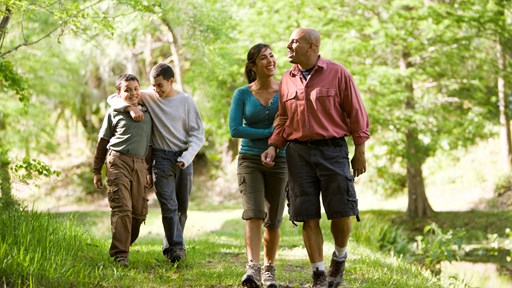
Dress warmer than you think you need to. Even in mid-June, pre-dawn temperatures can drop into the low 50s in the mountains or at elevation, and sitting still in the dark is colder than moving around. If you’ve got kids who are naturally early risers, this is a magical hour to share with them – quiet conversations, stargazing before the sky brightens, the kinds of things they’ll remember for a long time.
Sunrise: First Light (5:30-7:00 a.m.)
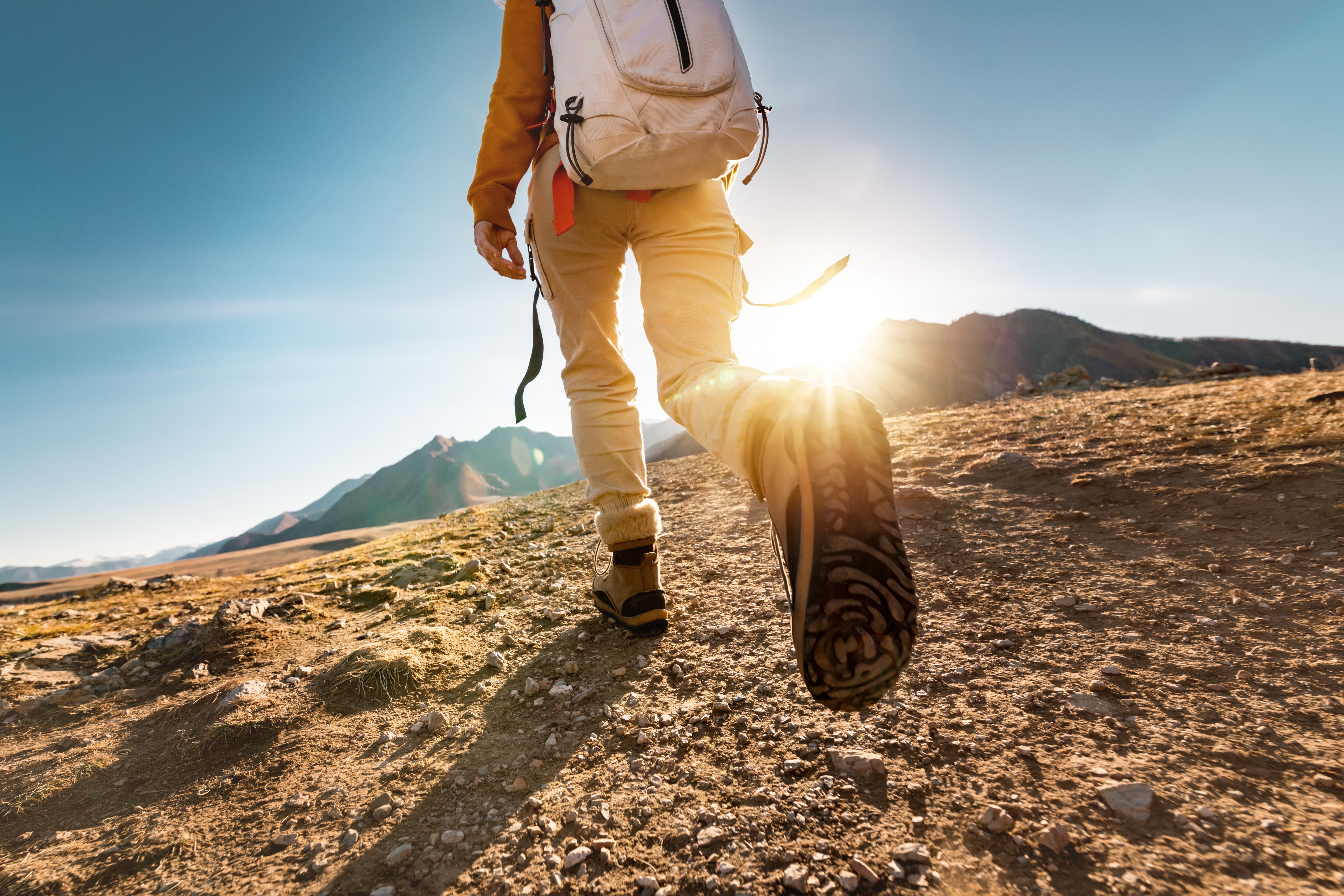
By the time the sun clears the horizon, you’ve already been up for an hour. You’re warm, caffeinated, and mentally ahead of the day. First light is legitimately one of the best times to be outside in summer. The air is cool, the light is extraordinary, and the world hasn’t gotten loud yet.
This is the perfect time for a short hike to a viewpoint, a fishing session while the water’s calm, or some wildlife photography. Deer are still active, birds are absolutely going off, and the light through the trees has that low-angle quality that makes everything look good.
If you’ve got kids, wake them up with a little adventure, perhaps a short walk to watch the sunrise with cups of hot chocolate in their hands. Promise them pancakes when you get back, make good on it, and they’re yours for the rest of the day. (Parenting in the outdoors is a lot about momentum, and sunrise gives you that.)
Fix breakfast outside and make it count. Scrambled eggs with cheese, thick-cut bacon, and French toast on a camp griddle. The solstice is about maximizing the day, and that starts with fuel. Eat well and eat slowly! You’ve got 16 hours of daylight, and you’re only two hours into them.
Morning: The Big Adventure (7:00 a.m.-noon)
The air is still cool, you’re fully awake, you’ve had breakfast, and the day stretches out in front of you like it has no end. This is your window for the main event.
Pick one big thing and commit to it. A 6-to-8-mile hike on a trail you’ve been meaning to do. A kayak or canoe trip down a stretch of river. A long mountain bike ride. The reason to do your biggest activity in the morning isn’t just the cooler temperatures, though that matters. It’s that you have the most energy, the most mental freshness, and the most time ahead of you. Pacing the day correctly is what separates a good camping trip from a great one.
Some people try to cram every activity into one morning – and they end up exhausted and grumpy before noon. Don’t do that. Pick one preferred outdoor activity, give it your full attention, and enjoy it.
If you’re camping with kids, the late morning is a great time to check in with the campground’s programming. Many of them run activities right during this window, such as nature walks, junior ranger programs, and wildlife talks. If there’s campground activities available, let the campground staff handle the entertainment for a stretch. Pour another cup of coffee and relax; let someone else explain what exactly a box turtle eats!
One thing that merits advance planning is knowing where you’re going. On the solstice, everyone has the same idea. Popular trailheads fill up early, and some now require timed entry or advance reservations. Check ahead and have a backup. The day is too good to waste driving around looking for parking.
Midday: The Strategic Retreat (noon-3:00 p.m.)
This is where a lot of people go wrong on a long summer day. When you’ve had a great morning, and there are still hours of daylight left, the temptation is to push through. But that approach usually backfires. You push into the hottest part of the day, your energy tanks, your patience goes with it, and by late afternoon, you are beyond done.
The smarter play is a Strategic Retreat from noon to 3:00. This isn’t wasted time. It’s what makes the rest of the day possible!
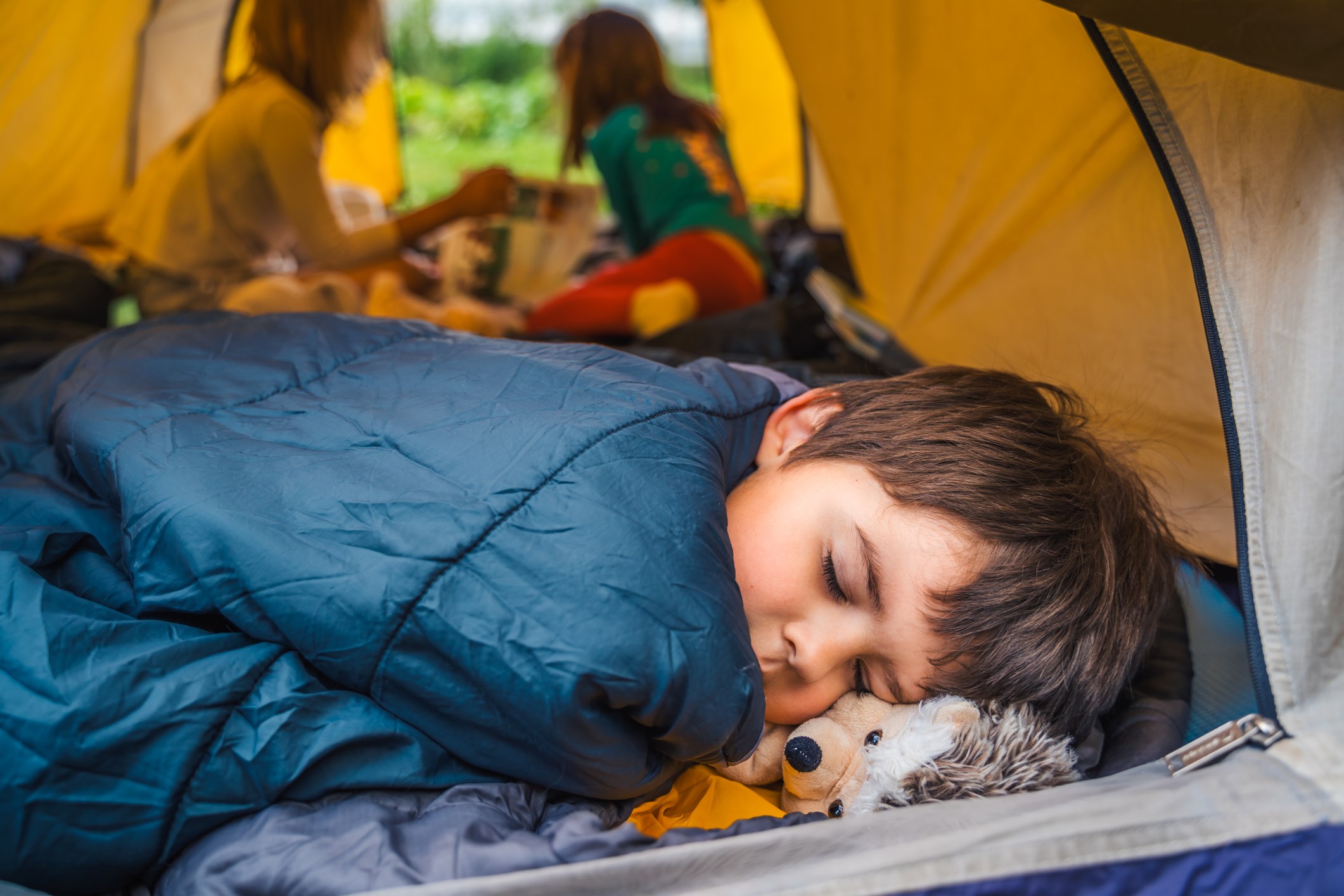
Eat a real lunch, something substantial, not just chips and a granola bar. Get horizontal if you can (this is what hammocks were invented for!). If you’re near water, get in it. A lake swim or a float in the river is one of the best things you can do on a hot summer afternoon, and it doubles as entertainment for kids who have burned off their morning energy. If you’re not near water, find shade and slow down. Read a book. Play cards. Take a nap without apologizing for it.
The nap thing is worth emphasizing. You’ve been up since 4:30 and have done a big hike or paddle. Your body has certainly earned 45 minutes of horizontal time, and if you give it that, you will feel like a different person by 3:00.
Afternoon: The Second Wind (3:00-7:00 p.m.)
In the middle of the afternoon, the heat starts to ease, shadows start to lengthen, and something shifts. You’ve rested, you’ve eaten, and you’ve still got four hours of good daylight ahead of you. This is when the day gets fun again!
The afternoon is made for lighter activities you can actually enjoy instead of grinding through. A short hike on a trail you didn’t get to this morning. A casual paddle. A bike ride on the campground roads with the kids. You don’t have to do anything epic — you already did that. Just enjoy moving around in the afternoon light.
This window is also perfect for camp-based projects and the social side of camping, which is one of the more underrated parts of the whole experience. Hang a hammock. Prep dinner while the fire gets going. Late afternoon is when everyone’s back from their day activities and in that relaxed, sun-tired state where conversation flows easily. Wave at your neighbors. Let the dogs meet. Ask where people hiked. Some of the best camping conversations start with someone walking over to borrow a camp chair.
Golden Hour: The Payoff (7:00-9:00 p.m.)
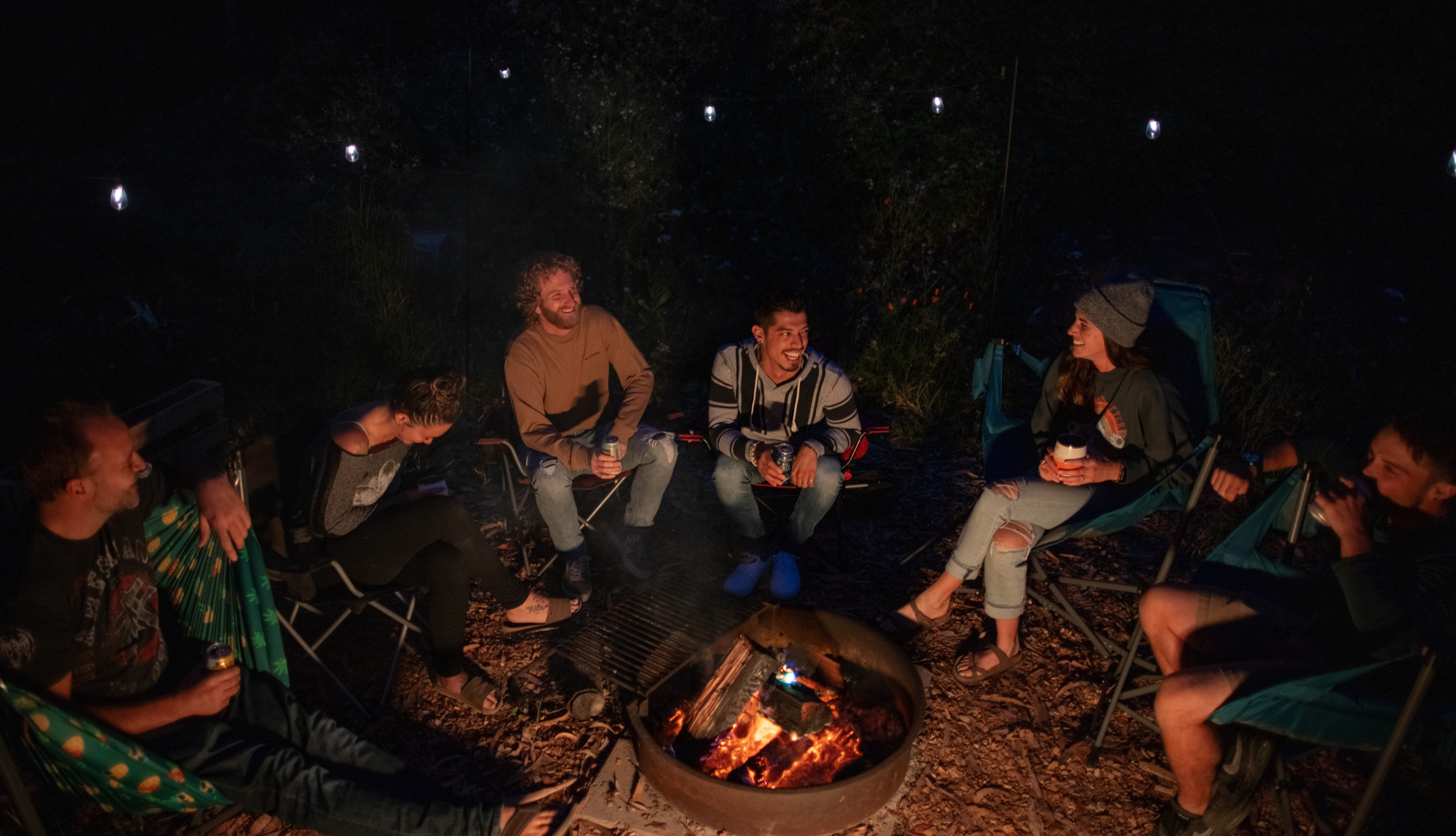
If the morning was the main event, golden hour is the reward. The sun’s low, not set yet, and everything is bathed in that warm amber light that makes photographers excited and makes everyone else think, “Oh, this is why people camp.” The shadows are long, the air has finally cooled to something comfortable, and the campground feels settled and easy.
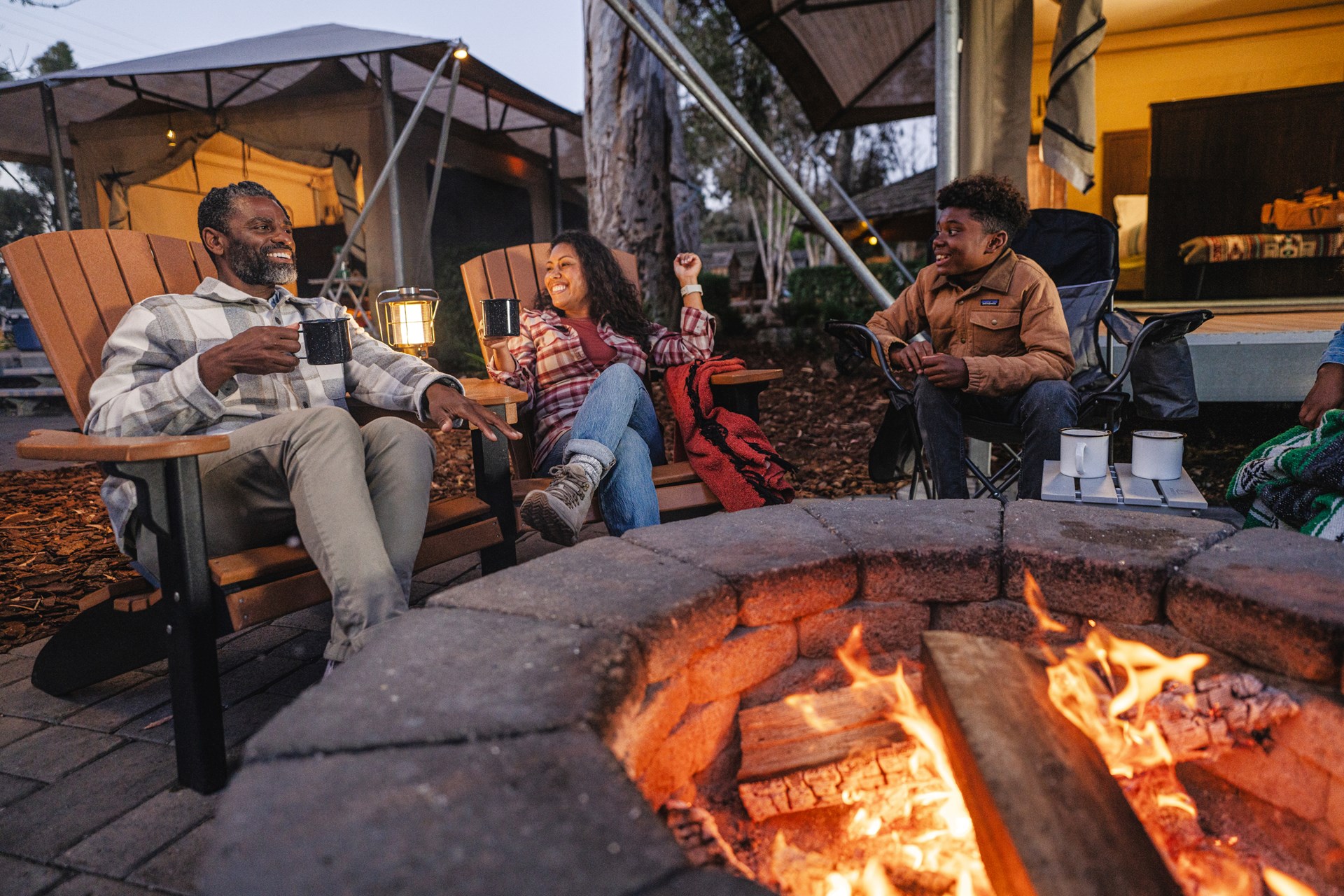
Start your campfire now, not later. This is one of the most common timing mistakes campers make. People often wait until it’s fully night and they’re tired and hungry, then they’re fumbling with bad kindling in the dark. Start it while you can still see what you’re doing, let it settle into coals, and by the time dinner’s ready to cook, you’ve got exactly what you need!
Dinner on the solstice should be a meal worth sitting down for. Grill some steaks or thick burgers. Make foil packet ramen, then tuck them into the coals. Boil pasta and make a real sauce. Whatever your camp cooking specialty is, tonight’s the night to make it.
And then, eat slowly. You’ll notice (and this is one of those camping things that’s hard to explain until you experience it) how ridiculously good food tastes after a full day outside. It’s not the food. It’s everything else.
After dinner, do the things you usually don’t have time for. Play cards at the picnic table while you can still see the cards. Take the dog for a long walk around the loop. Find a good view and sit in front of it without feeling the need to document it.
Photographers, this is your time! The light is doing everything right. Take a photo of the campfire against the sun dropping through the tree line. Get a portrait of your friends or family that they’ll actually want to use. Didn’t bring a camera? Your phone will handle it just fine!
Dusk to Full Dark: The Bonus Hours (9:00-11:00 p.m.)
What makes summer solstice genuinely different from any other summer night is that sunset isn’t a hard stop. You’ve still got 30 to 45 minutes of useful twilight, that soft blue-gray light where you can still see without a headlamp, the campfire starts to glow with purpose, and stars begin to appear, one at a time.
On most summer nights, 9:30 feels like the day is over. On the solstice, 9:30 still feels like evening. That’s not a small thing – that’s a gift! But once full dark settles in, you’ve got real options depending on how you feel.
Option one: Call it a night. You’ve been up since 4:30, you hiked, paddled, swam, cooked, and watched the sun go down over a campfire. That is a full and complete day, and you should feel zero guilt about turning in at 10. You’ll likely sleep better than you have in months!
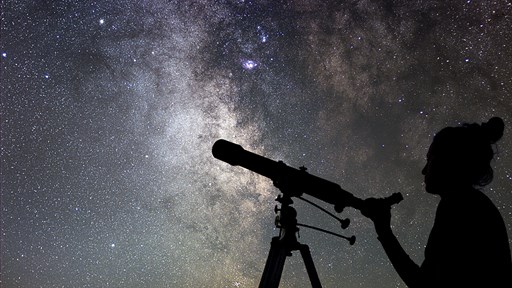
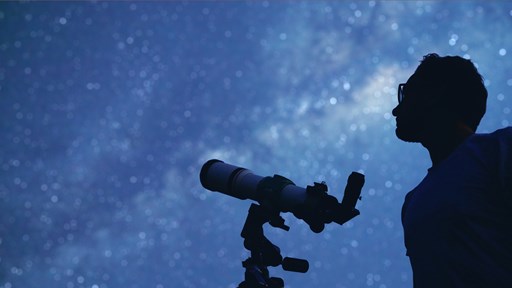
Option two: Stay up for the stars. June skies can be spectacular, especially at elevation or away from city light pollution. Use a stargazing app (SkySafari and SkyView are both excellent) to identify constellations and track down planets. Watch for satellites moving in slow, steady arcs. The Milky Way, when you can actually see it, resets your sense of scale in a way that’s hard to describe and easy to remember.
Option three: Go for a night hike. Even a short one. Put on your headlamp, stick to a trail you walked during daylight, and move slowly. The woods at night are a completely different place. Just tell someone where you’re going, bring emergency tools like an emergency whistle and bear spray, and don’t go alone unless you’re genuinely comfortable navigating in the dark.
What You Don’t Have to Do
This is a menu of options, not a checklist. There are no rules!
The point isn’t to maximize every hour of summer solstice like a productivity app. The point is to truly enjoy being outside, to notice that the day is unusually long, and to take at least some advantage of it. If you want to spend the solstice reading in a hammock with a cold drink, that is a completely valid way to honor the longest day of the year.
Do what fits your group, your energy level, and your camping style. The plan above is built around a campground with hiking, water access, and reasonably dark skies. Your version might look completely different, and that’s fine.
Why It Matters
You could camp on summer solstice and treat it like any other day. That’s a perfectly good camping trip. No one’s going to audit you.
But there’s something about the solstice worth honoring in whatever ways feels best to you. It’s the longest day of the year. After this, every single day gets a little shorter; not by much at first, but the arc is set. Summer is already, technically, beginning to end the moment it officially begins.
That’s not a reason to be sad. It’s a reason to pay attention.
Solstice celebrations appear in virtually every human culture throughout recorded history – think Stonehenge, the Aztec sun temples, the Nordic midsummer festivals, and the ancient Egyptian calendar. Humans have always recognized this day as something worth marking. We’re no different. We just mark it today with hiking boots and a Dutch oven instead of stone circles.
The campouts that stick with you are the ones where something memorable happened. Where you were actually present, the day had a shape to it, and you went to bed genuinely tired and genuinely satisfied. The solstice, if you let it, has all of that built in.
You might not remember a random summertime camping trip, but you’ll remember the solstice when you watched the sun come up over the ridge, spent the morning on the water, let the afternoon slow down around a lake, and stayed up past dark watching satellites cross the sky while the fire burned down to coals.
Sixteen hours of daylight. One day a year. Don’t miss it!

Leslie is a freelance travel and health/wellness writer who gets butterflies from telling stories and sharing information with readers across the globe. Her voice comes from a place filled with passion and dreams.
With over 10 years of experience in crafting words and years of embarking on travels that have taken this Montana girl to some incredible places, Leslie loves the adventures of both body and mind that her writing takes her on.
To see what Leslie’s up to in the writing and design world, visit her website here.