











What makes a road trip unforgettable? Is it the destination, the journey, or those unexpected moments when you pull over just because something caught your eye?
On Quebec’s Chemin du Roy – the King’s Road – you’ll experience all three.
This 174-mile ribbon of history winds along the north shore of the majestic St. Lawrence River, connecting Montreal to Quebec City through 26 charming villages frozen in time. Built between 1731 and 1737, it’s the oldest road in North America designed for wheeled vehicles, and it remains one of the continent’s most scenic drives.
But calling the Chemin du Roy just a “scenic drive” feels like calling the St. Lawrence just “a decent-sized river.”
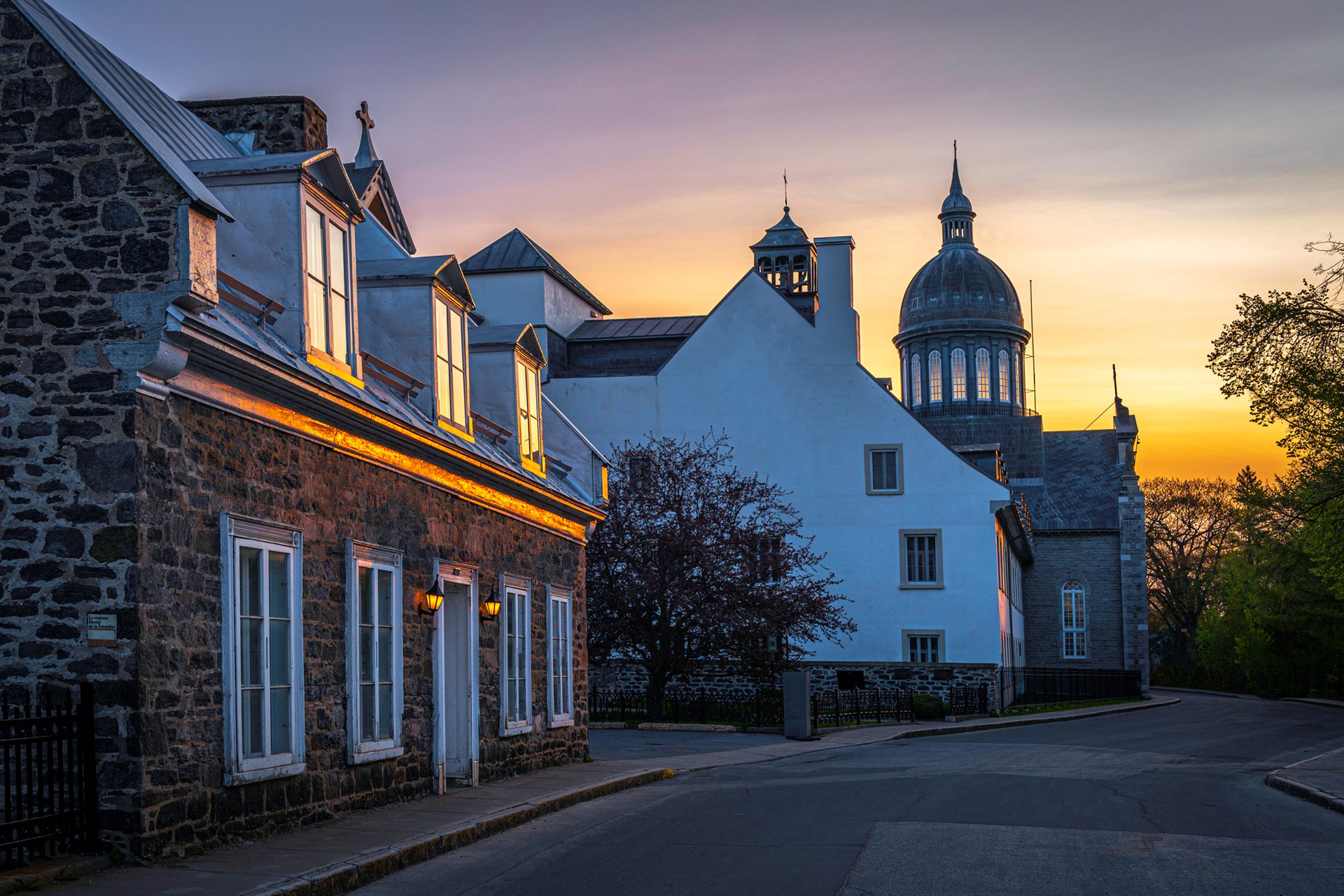
You’re going to pass stone houses that have been standing for centuries. Church steeples that pierce the sky in that very specific Quebec way. Vineyards producing wines that’ll make you reconsider everything you thought you knew about Canadian wine. And the locals? They’re genuinely warm (not just tourism-brochure warm) and eager to talk about their villages, their history, and what’s great about where they live and play.
Sound like your kind of adventure? Here’s how to experience the King’s Road like royalty!
Getting There
The route runs between Quebec City and Montreal, spanning nearly 280 kilometers. You’ll mostly follow Route 138 – look for the blue signs with the King’s Road logo!
Flying In? You’ve got options. Montreal’s Pierre Elliott Trudeau International gets you close to the western start. Quebec City’s Jean Lesage International Airport is a good option if you’d rather begin in the capital city and head west.
Insider Tip: If you’re short on time and can’t do the full road, the stretch between Quebec City and Trois-Rivières is where the magic really concentrates. You can also hop on the parallel Autoroute 40 when you need to make up time between villages.
The Villages (All 26 of Them)
Heading west from Quebec City lets you kick things off in one of the prettiest cities on the continent – all cobblestones and European vibes – and then unfold gradually into the countryside and river villages.
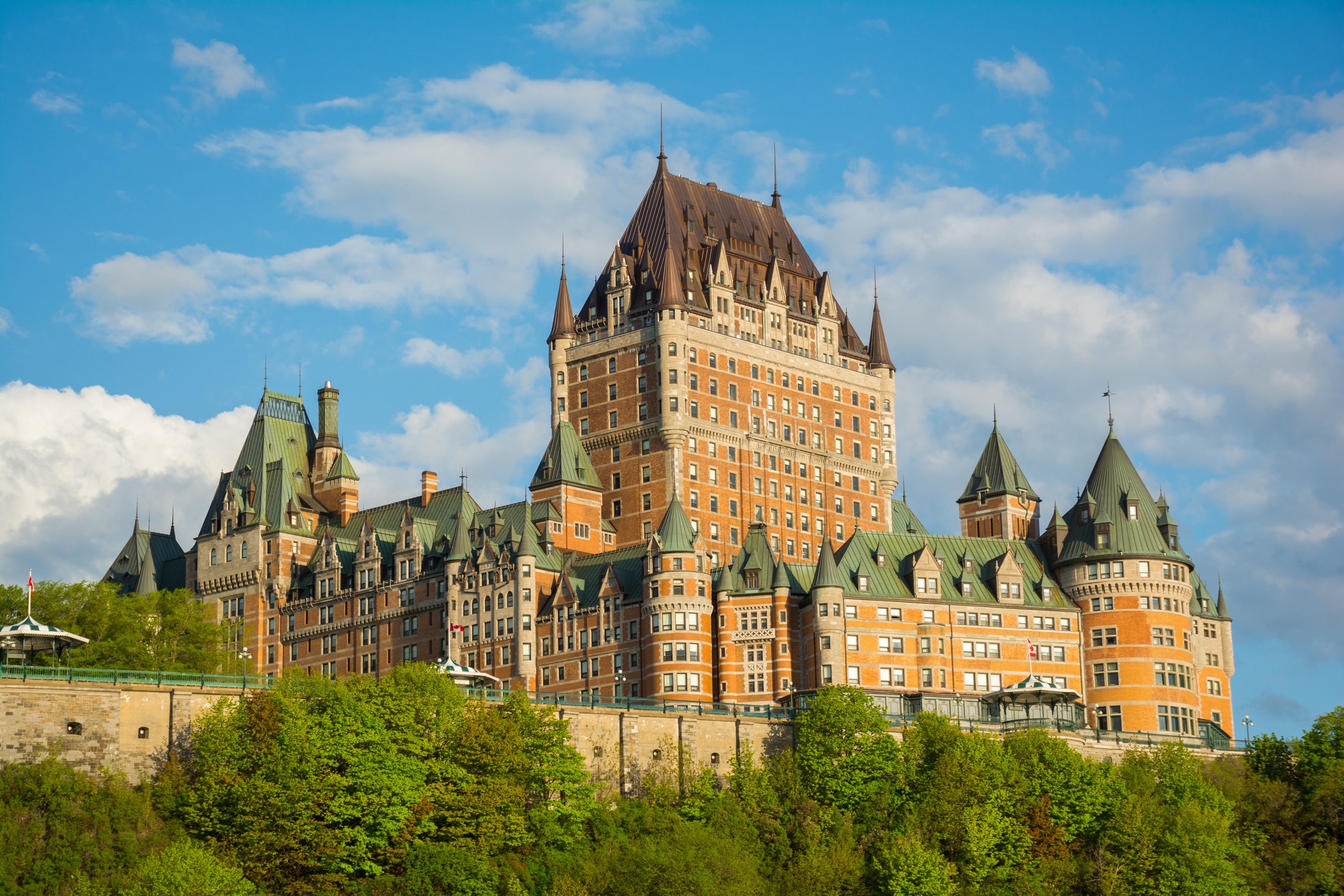
Quebec City
Founded in 1608, Quebec City is the only fortified city north of Mexico. Plan to spend a day wandering Old Quebec’s narrow streets, check out the Parliament Building with its Second Empire architecture that looks like it belongs in Paris, and walk the Dufferin Terrace. Place d’Youville has this energy that’s hard to describe – you just need to feel it. And grab a pastry from literally any bakery in the Lower Town. You can’t go wrong.
Montcalm
Just outside the walls of Quebec, Montcalm brings the culture. The Musée national des beaux-arts du Québec has four centuries of Quebec art, which sounds overwhelming until you’re actually standing in front of it. The Plains of Abraham – where that famous 1759 battle went down – is now one of the world’s great urban parks. History has a funny way of transforming itself.
Sillery
Sillery is where Quebec’s colonial history gets real. The Maison des Jésuites de Sillery dates back to New France’s earliest days and tells the complicated, sometimes uncomfortable story of European arrival and Indigenous displacement. The waterfront here is stunning, though, with tree-lined streets and properties that will make you ponder the possibility of living here at least part-time.
Cap-Rouge
Named for the red cliffs, Cap-Rouge is where Jacques Cartier first landed in 1541. The Maison Léon-Provancher overlooks the St. Lawrence with exhibits on traditional architecture and rotating art shows. The nautical park makes for a perfect picnic stop, assuming the weather cooperates.
Saint-Augustin-de-Desmaures
The St. Lawrence is massive everywhere, but something about the views from Saint-Austin-de-Desmaures just hits different. If you’re around in spring, do yourself a favor and hit Érablière le Chemin du Roy – a traditional sugar shack where you can gorge yourself on maple syrup-drenched everything while folk musicians play. All-you-can-eat pancakes, tourtière, beans, the works – you’ll need a nap afterward, but it’s worth it!
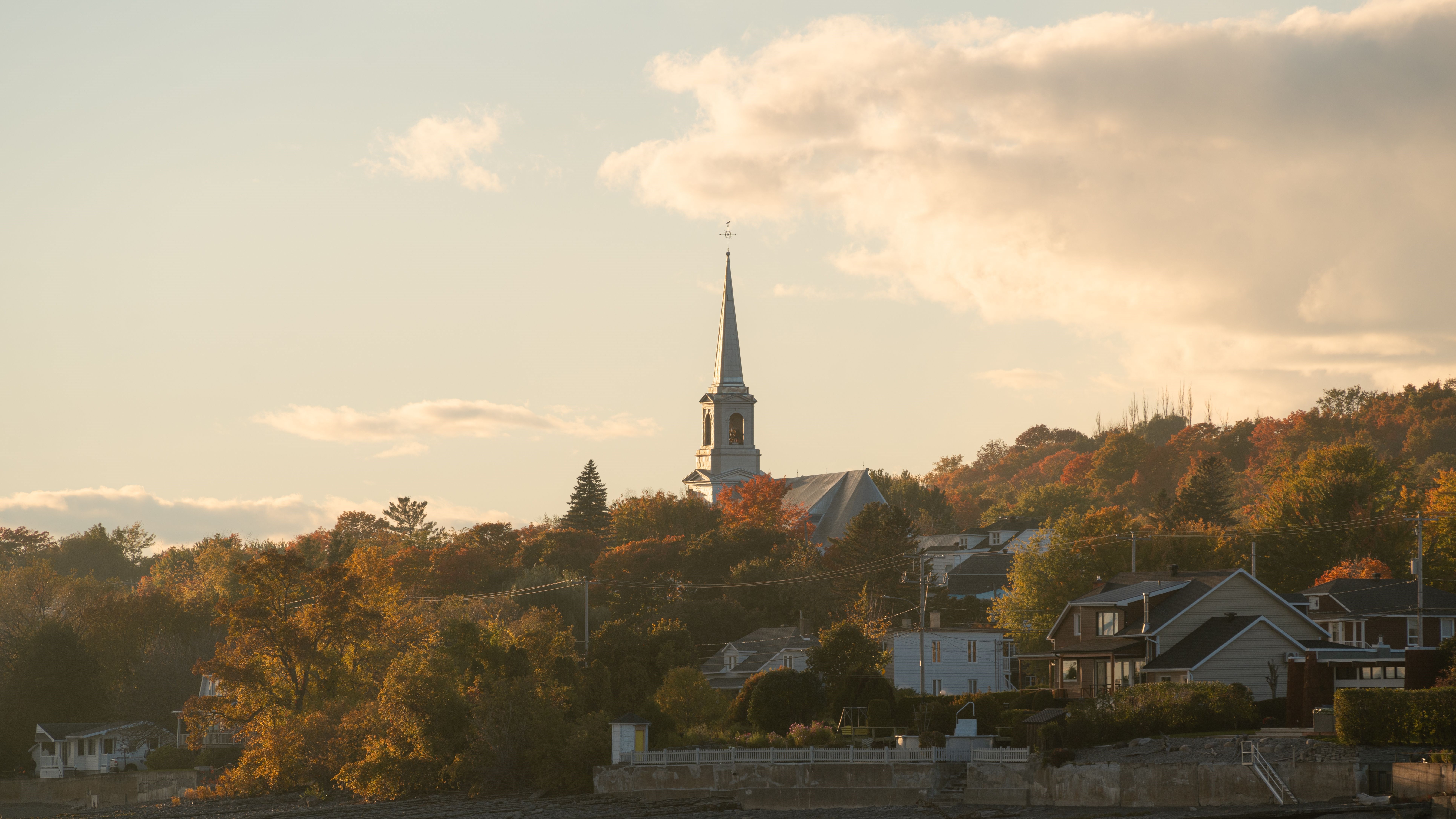
Neuville
Neuville is known as the “Sweet Corn Capital” – and yes, they take this seriously. Settled in 1665, Neuville still has that old-world thing going with ancestral homes terraced above the river. Stop at Ferme Langlois et Fils (locals call it Chez Médé) for sweet corn that’ll ruin grocery store corn for you forever!
The Marais Léon-Provancher Nature Reserve is great for bird watching if that’s your thing. Domaine des 3 Moulins vineyard sits on a 19th-century archaeological site with actual mill ruins. And La Perle du Roy microbrewery makes craft beers, including one inspired by Australian IPAs, which… sure, why not?
Donnacona
Donnacona is named after the Iroquois chief who met Jacques Cartier. At Les Écureuils wharf, enjoy a cool “symphony wharf” experience via mobile app with the Orchestre symphonique de Québec. If you kayak, you can safely paddle between here and Cap-Santé thanks to La Route bleue, Quebec’s massive water-trail network.
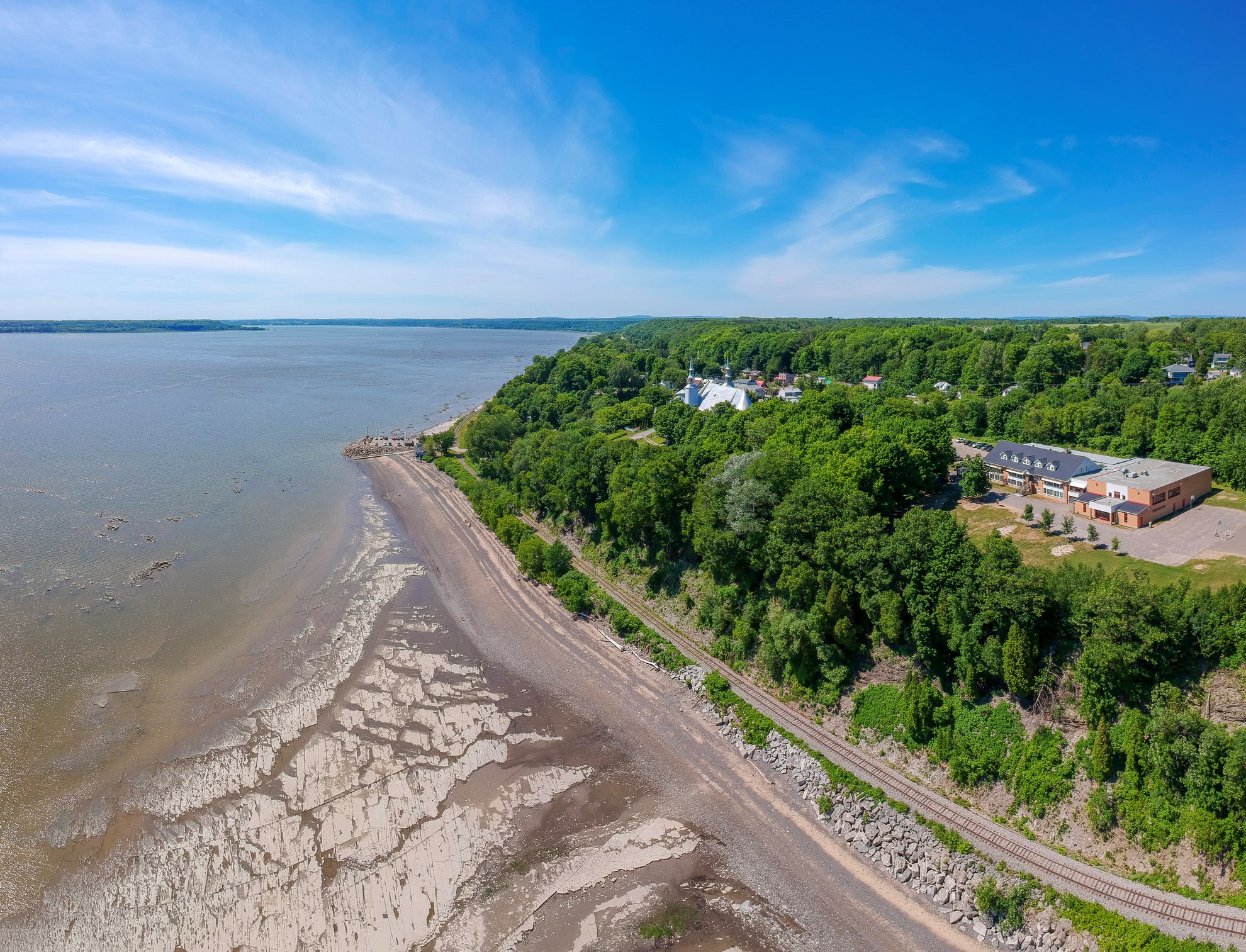
Cap-Santé
The Vieux Chemin in Cap-Sante, which is basically an open-air museum of heritage homes, has been called one of Canada’s most beautiful streets. The Holy Family Church is stunning. L’Escale du Roy crams an art gallery, tourist office, shop, and restaurant into the old presbytery – it somehow works. And if you’re into art, Jeannette Trépanier’s gallery sits in an early 18th-century building that’s worth seeing even if you don’t buy anything.
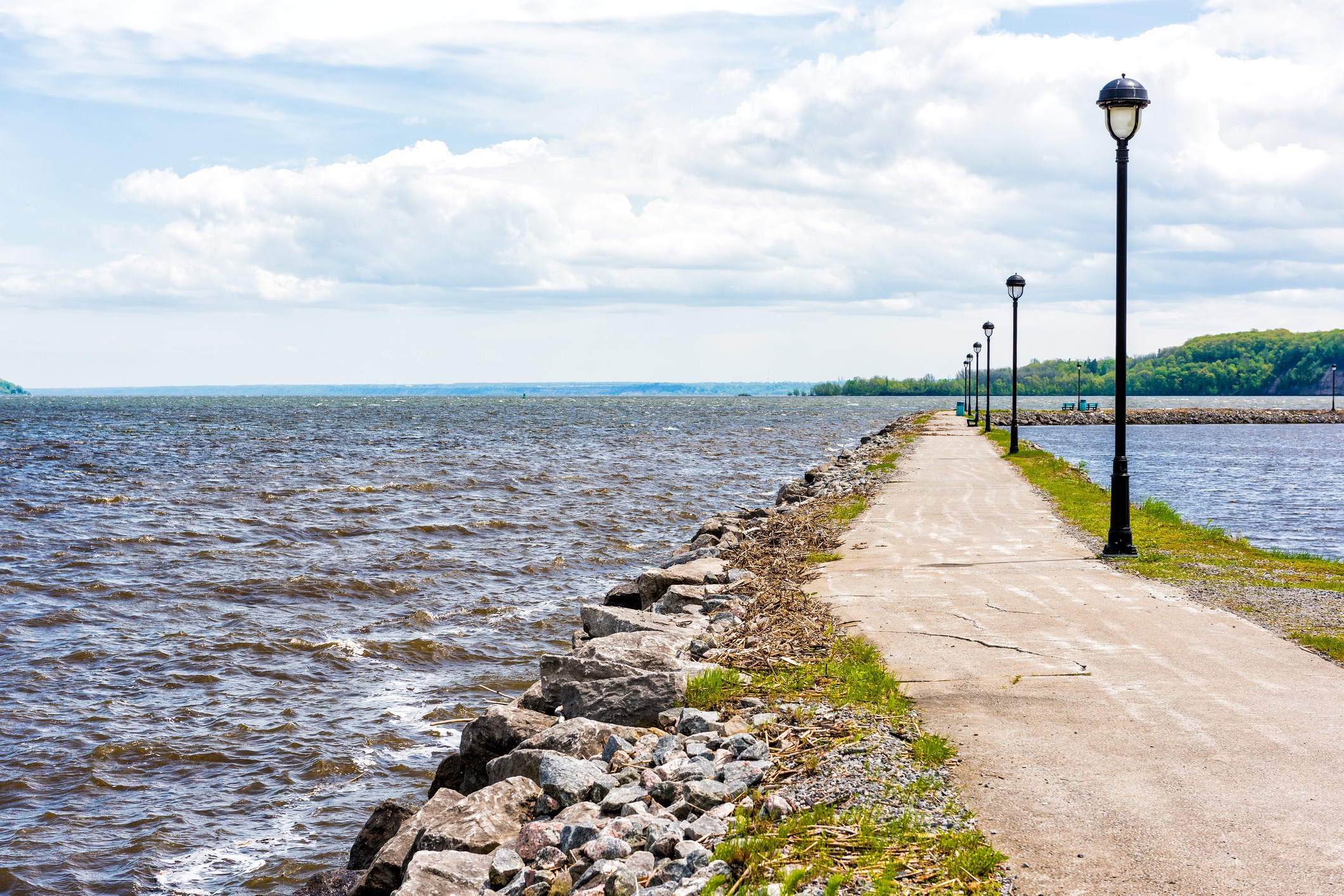
Portneuf
The marina in Portneuf gives you river access, but honestly, you’re here for Casse-Croûte du Roy. It’s a roadside diner that serves Quebec classics with a gourmet twist. The elk and black garlic burger has achieved legendary status among locals, and yeah, it deserves the hype.
Deschambault
Founded in 1640, Deschambault has been considered a site of indulgence ever since! Julie Vachon Chocolats makes artisanal everything – chocolates, ice cream, chocolate hazelnut spread, raspberry marshmallows. Your diet can wait! The Moulin de La Chevrotière from 1802 has exhibitions on traditional crafts, and Culture et Patrimoine Deschambault-Grondines puts on exhibitions at the old presbytery each summer!
Grondines
Grondines is one of Quebec’s most beautiful spots (their words, but also… accurate). The windmill here dates to 1674, making it the oldest in the province. It started as a flour mill, later became a lighthouse, and is now a very popular historic site.
But the real star of Grondines is the Fromagerie des Grondines, which produces organic raw-milk cheeses from cows, sheep, and goats. Book the guided tour to follow the whole process from barn to aging cellar, ending with tastings that’ll convert anyone who claims they “don’t really like cheese.”
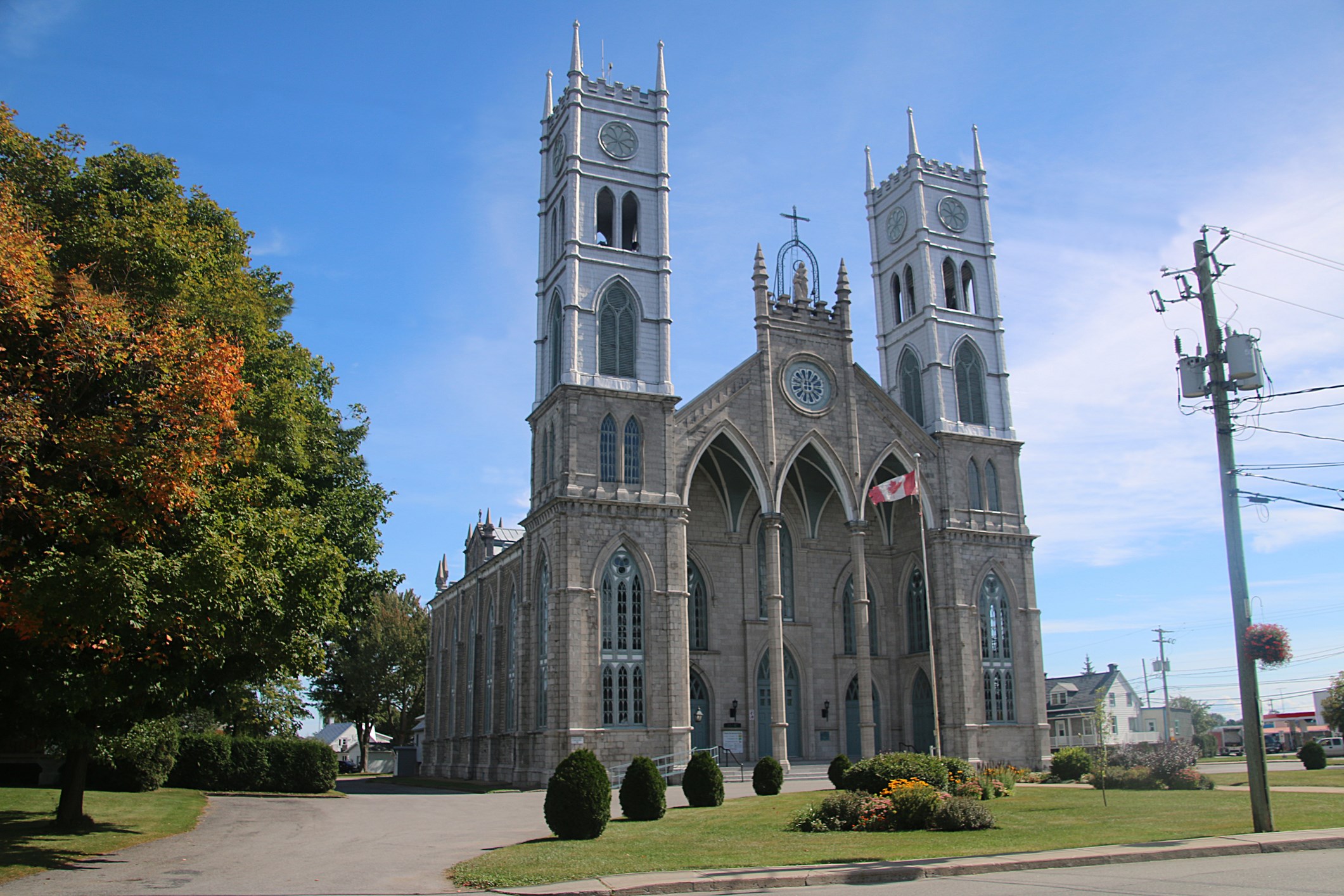
Sainte-Anne-de-la-Pérade
Sainte-Anne-de-la-Perade is called the “Small Channel Fish Capital of the World.” But winter is when this place gets wild! The frozen river transforms into an ice-fishing village with hundreds of heated cabins where people fish for tommycod. It’s honestly a whole scene and if you are undertaking this road trip in the wintertime, definitely put this on your list of things-not-to-miss.
Batiscan
Batiscan’s lineup of houses along the river is a spectacular sight. Check out the historic Batiscan Hangar and the Church of Saint Francis Xavier. The Old Presbytery does guided tours with costumed interpreters who share the juicy historical gossip – it’s way more entertaining even than it sounds!
Champlain
Settled in 1664 and only 81 square miles in size, Champlain has over 200 heritage buildings! Walk the heritage circuit and try to imagine what life was like here centuries ago. It’s one of those places where history feels really present.
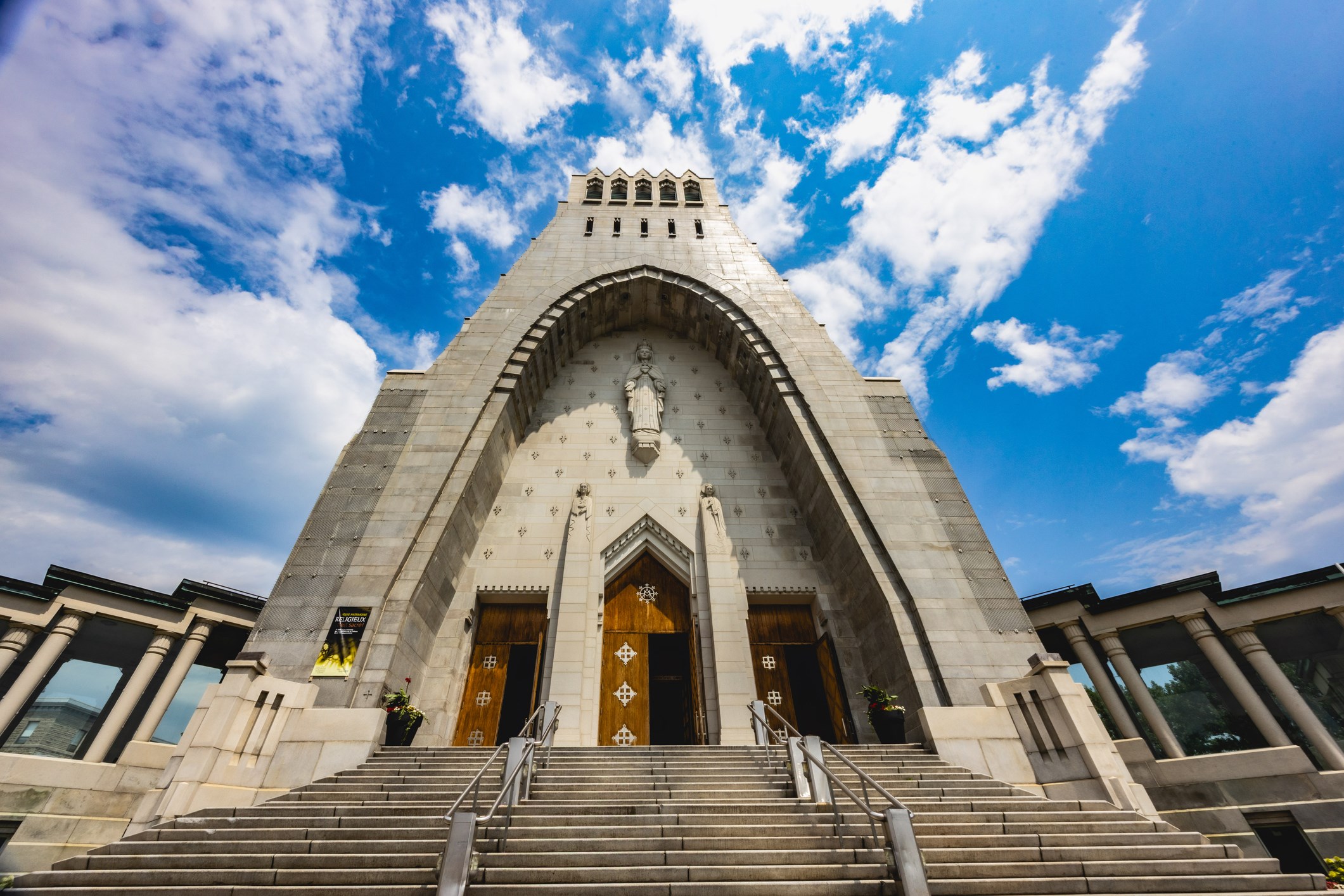
Cap-de-la-Madeleine (Trois-Rivières)
Now technically part of Trois-Rivières, Cap-de-la-Madeleine maintains its own character with over 1,000 heritage buildings. The Basilica of Notre-Dame-du-Cap, built in 1720, is a Norman Gothic masterpiece with gorgeous stained glass and one of Canada’s largest organs. Thousands still make pilgrimages to it annually.
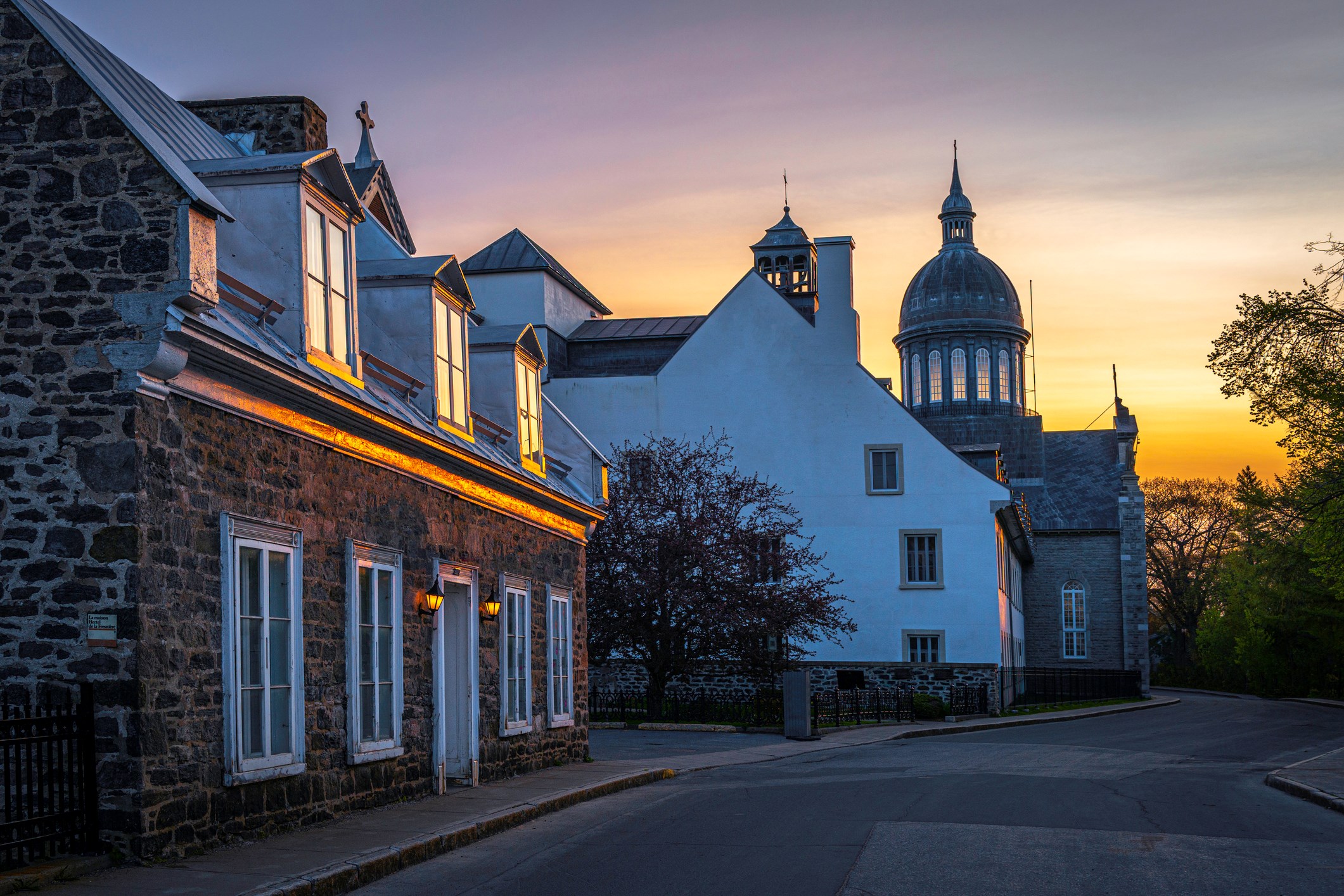
Trois-RivièresTrois-Rivieres is the second-oldest city in Quebec and the cultural heart of Mauricie. Don’t just blow through – this place deserves time!
The Old Prison operated from 1822 to 1986 and is now a National Historic Site. Tours are led by former inmates who bring the reality of incarceration to vivid, sometimes uncomfortable life. You can actually spend a night behind bars if you’re feeling adventurous!
Boréalis, in a converted industrial site, traces the paper-mill industry through hands-on exhibits. You can explore underground reservoirs, make your own paper, and climb the observation tower for views of the St. Maurice River. Once known as the “Paper Capital of the World,” Trois-Rivières now calls itself the “Poetry Capital” – quite the rebrand! The Cathedral of the Assumption features 22 massive stained-glass windows by Guido Nincheri.
Pointe-du-Lac (Trois-Rivières)
In Pointe-du-Lac, historic charm meets modern touches along Lake Saint-Pierre. The Moulin seigneurial is a rare 18th-century mill still in working order. Summer tours feature period-costumed guides who really get into character!
Yamachiche
Cultural heritage, historic homes, and spectacular migratory bird watching – you’ll find them all in Yamachiche! Stop by Café la Bezotte for coffee and pastries in a setting that perfectly blends old tea house vibes with contemporary bistro energy.
Louiseville
Louiseville is full of life, combining heritage with recreation and nature. It’s a great base for exploring the wider Mauricie region, with easy access to Parc National de la Mauricie for serious hiking, canoeing, and time in the wilderness.
Maskinongé
The name Maskinonge comes from Indigenous origins. The Magasin général Lebrun is an authentic 19th and 20th-century general store where you can buy local products while soaking up the atmosphere.
Saint-Barthélemy
This agricultural village offers serious old-world charm, with a population hovering around 2,000 for more than 160 consecutive years. Roadside stands offer a multitude of produce and goods from local farms – food doesn’t get fresher!
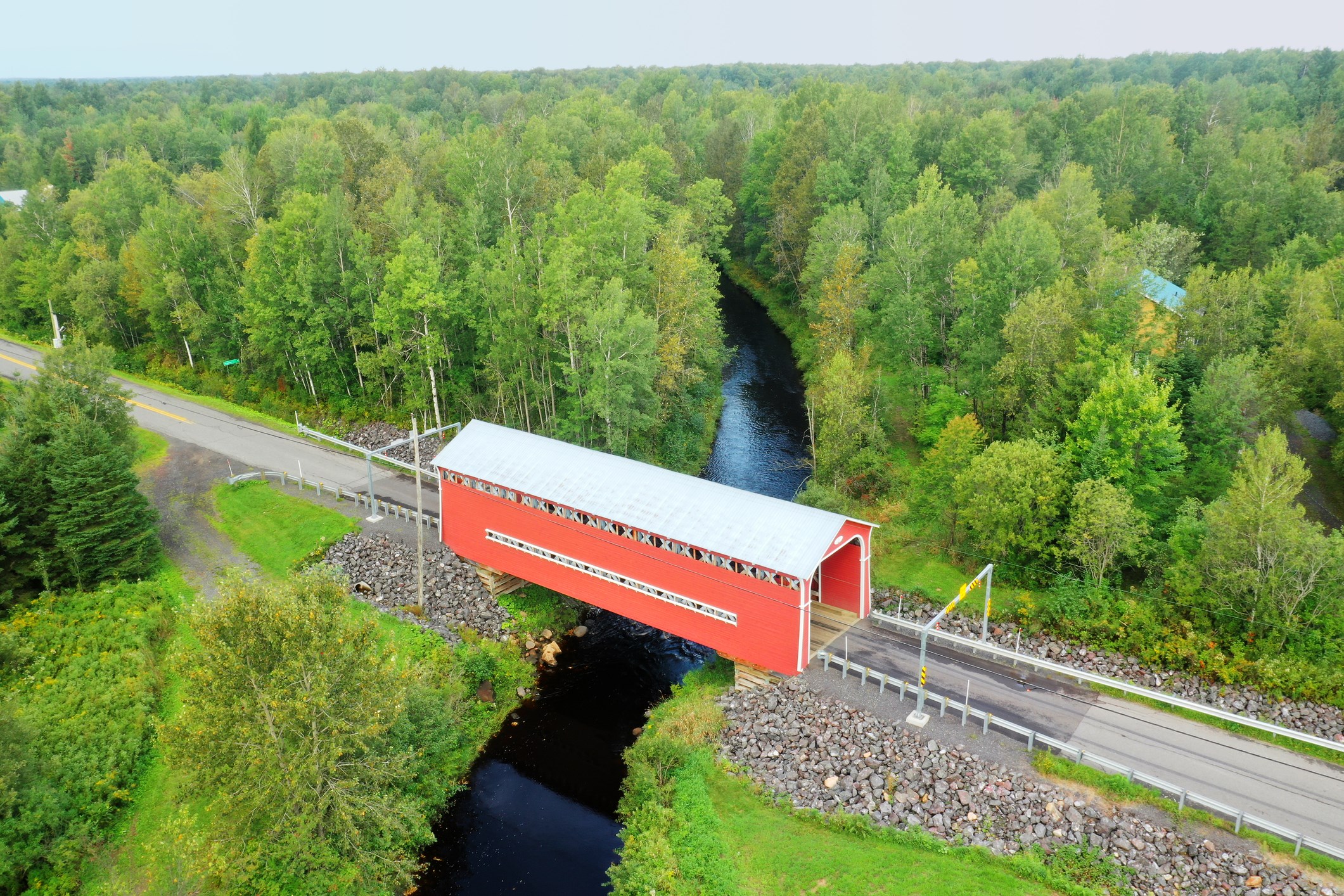
Berthierville
Berthierville is an iconic Lanaudière town celebrated in the famous Quebec folk song, “Sur la route de Berthier.” Musical heritage runs deep here! The Pépinière de Berthierville is the largest forestry nursery in North America. The Grandchamp covered bridge, which spans the Bayonne River, is the oldest operating town bridge in Québec.
Lanoraie
Lanoraie is an ancient Wendat site with 5,000 years of history shaped by shipbuilding and rail. The Maison des Cageux tells the story of timber raft drivers who navigated the St. Lawrence. Also, this is wine country! Stop by Vignoble Lano d’Or for tastings on their river-view patio.
Lavaltrie
Lavaltrie is where the chasse-galerie legend of The Flying Canoe got it’s start – the folk tale about lumberjacks making a deal with the devil to fly home in a canoe. You’ll find an exceptional array of heritage buildings here, along with the strong storytelling tradition that makes Quebec so special.
Saint-Sulpice
Founded in 1640, Saint-Sulpice prospered around its flour mill and river trade. The village core preserves buildings from New France’s golden age, offering quiet relief before entering Montreal’s urban sprawl.
Repentigny
Located where the L’Assomption River meets the St. Lawrence, Repentigny marks the Chemin du Roy’s eastern ending point. The city’s crown jewel is Parc de l’Île-Lebel, a 20-acre park on the St. Lawrence River that offers something special in every season. Try your hand at pétanque (French lawn bowling)! In winter, the park transforms into magical wonderland, all free to the public, including activities such as an illuminated ice-skating rink, sledding hill, and cross-country trail.
When Should You Go?
The road’s drivable year-round, but timing matters depending on what you want.
Spring (April-May) means maple syrup season! Sugar shacks serve traditional meals drenched in fresh syrup. Weather’s unpredictable and some attractions have limited hours, but the peaceful atmosphere is something special.
Summer (June-September) brings warm weather (68-77°F) and long days. Vineyards do outdoor tastings, riverside parks are buzzing, and village festivals celebrate Quebec culture. Trade-off? More tourists at popular spots.
Fall (September-October) might be peak Chemin du Roy. The maples explode in gold and crimson, harvest brings fresh apples and pumpkins to farm stands, and the crowds thin out. Cooler temps make walking tours pleasant.
Winter (November-March) brings its own magic. The frozen St. Lawrence becomes an ice-fishing village at Sainte-Anne-de-la-Pérade, snow blankets heritage buildings and everything takes on a quiet beauty. Just check the road conditions and confirm that attractions are open before you go.
Why the King’s Road Matters
The Chemin du Roy has this way of slowing you down, even when you didn’t plan on it. Unlike highways built purely for speed, the King’s Road was built for connection, and that purpose still resonates. Every village has preserved something precious: a way of speaking French that sounds like music, recipes passed down through generations, building techniques from the 1700s, stories worth telling.
You won’t become fluent in French or move to Quebec after this trip. But standing on the wharf at Donnacona watching sunset over the St. Lawrence, tasting cheese that took six months to age, listening to folk music in a 300-year-old hall, eating poutine that somehow tastes better here than anywhere else – these moments shift something.
So take the road less traveled. Follow the blue signs. Stop often. Chat with locals. Taste everything. Walk the heritage circuits. Buy the handmade soap. Eat the sweet corn.
The oldest road sometimes leads to the best discoveries.
KOAs in Quebec:
Quebec City KOA Holiday
Montreal South KOA Journey

Leslie is a freelance travel and health/wellness writer who gets butterflies from telling stories and sharing information with readers across the globe. Her voice comes from a place filled with passion and dreams.
With over 10 years of experience in crafting words and years of embarking on travels that have taken this Montana girl to some incredible places, Leslie loves the adventures of both body and mind that her writing takes her on.
To see what Leslie’s up to in the writing and design world, visit her website here.