Wildlife and Plants of Devils Tower and the Black Hills
The area surrounding Devils Tower, Hulett, Wyoming, and the Black Hills is one of the most biologically diverse landscapes in the northern Great Plains. Located where western prairies meet forested mountains, the region supports a unique combination of grassland, woodland, riparian, and pine forest ecosystems. This variety of habitats allows hundreds of plant and animal species to thrive in a relatively small geographic area.
A Unique Ecosystem
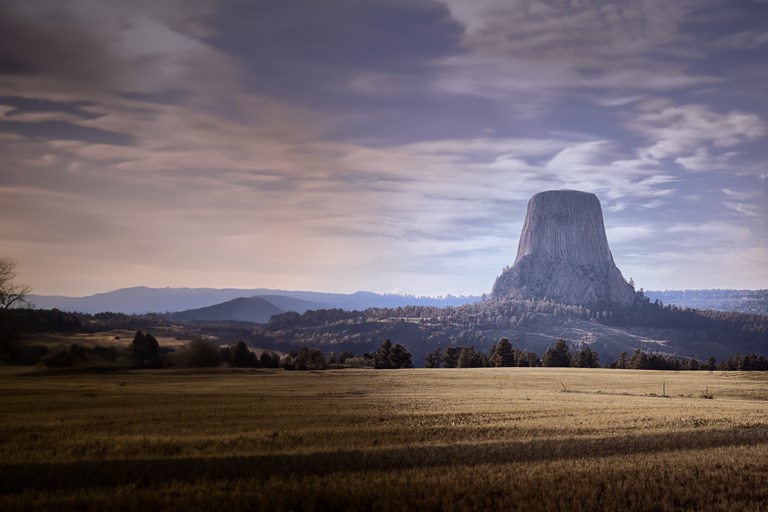
Devils Tower sits on the western edge of the Black Hills, an isolated mountain range that rises from the surrounding plains of Wyoming and South Dakota. The Black Hills ecosystem contains species commonly associated with the Rocky Mountains, northern forests, and Great Plains grasslands, creating a biological crossroads unlike any other in the region.
Within Devils Tower National Monument, approximately 60 percent of the landscape is covered by ponderosa pine forest and woodland. Prairie grasslands occupy roughly 30 percent of the monument, while smaller areas contain cottonwood forests, shrublands, and riparian habitat along the Belle Fourche River.
Mammals of the Region
Visitors frequently encounter wildlife throughout the Devils Tower area. White-tailed deer and mule deer are among the most commonly observed mammals, often feeding in meadows and forest edges during the early morning and evening hours.
Black-tailed prairie dogs inhabit large colonies in open grasslands near Devils Tower. Their extensive burrow systems provide habitat for numerous other species and play an important role in the prairie ecosystem.
Throughout the surrounding Black Hills, additional mammals include pronghorn, elk, coyotes, red foxes, mountain lions, bighorn sheep, and black bears. Smaller species such as squirrels, marmots, rabbits, and numerous rodents also contribute to the area's biodiversity.
Birds and Raptors
The combination of forests, cliffs, rivers, and grasslands creates excellent habitat for birds. Bald eagles, red-tailed hawks, osprey, peregrine falcons, and other raptors are regularly observed throughout the region. Devils Tower itself provides nesting and perching opportunities for several bird species.
Songbirds occupy the forests and meadows during the spring and summer months, while wild turkeys are commonly seen along roadsides and forest edges throughout the Black Hills. More than 200 bird species have been documented within the broader Black Hills ecosystem.
The Dominance of Ponderosa Pine
The most recognizable plant in the region is the ponderosa pine. This tree dominates much of the Black Hills and is the primary tree species found around Devils Tower. Mature ponderosa pines are adapted to withstand drought, fire, cold winters, and hot summers, making them ideally suited to the area's climate.
Other trees commonly found in the area include Rocky Mountain juniper, quaking aspen, bur oak, cottonwood, and chokecherry. In ravines and moist draws, visitors may also encounter wild rose, skunkbush sumac, and other shrubs adapted to the local environment.
Wildflowers and Prairie Plants
The grasslands and open pine forests surrounding Devils Tower support an impressive variety of native wildflowers.
Purple coneflower is one of the most recognizable species, producing large pink-purple blooms throughout the summer. Common yarrow, blanketflower, black-eyed Susan, prairie smoke, goldenpea, and harebell are also widespread across the Black Hills.
In early spring, visitors may spot pasque flowers, one of the first native wildflowers to bloom after winter. Later in the season, species such as Rocky Mountain iris, wood lily, and wild strawberry add color to meadows and forest openings.
At Devils Tower National Monument specifically, silverleaf scurfpea is the most abundant nongrass flowering plant, while big bluestem is among the most common native grasses. The monument's plant inventory includes more than 470 documented plant species.
The Importance of Conservation
The wildlife and plant communities of the Devils Tower region face challenges including habitat fragmentation, invasive species, altered fire patterns, and climate change. Ongoing monitoring by the National Park Service and other conservation organizations helps track ecosystem health and guide management decisions.
Conservation efforts on both public and private lands help preserve the forests, grasslands, wildlife habitat, and scenic landscapes that make the Devils Tower area unique.
A Living Landscape
While Devils Tower itself is the area's most famous landmark, the surrounding forests, prairies, rivers, and ranchlands are equally important components of the landscape. Together, they support hundreds of plant and animal species and create one of the most distinctive ecosystems in the American West.
Whether you're hiking through a ponderosa pine forest, watching prairie dogs near the monument, spotting a bald eagle overhead, or admiring summer wildflowers in bloom, the natural diversity of the Devils Tower and Black Hills region offers visitors an opportunity to experience a remarkable blend of prairie and mountain ecology.