The Conservation Easement Story
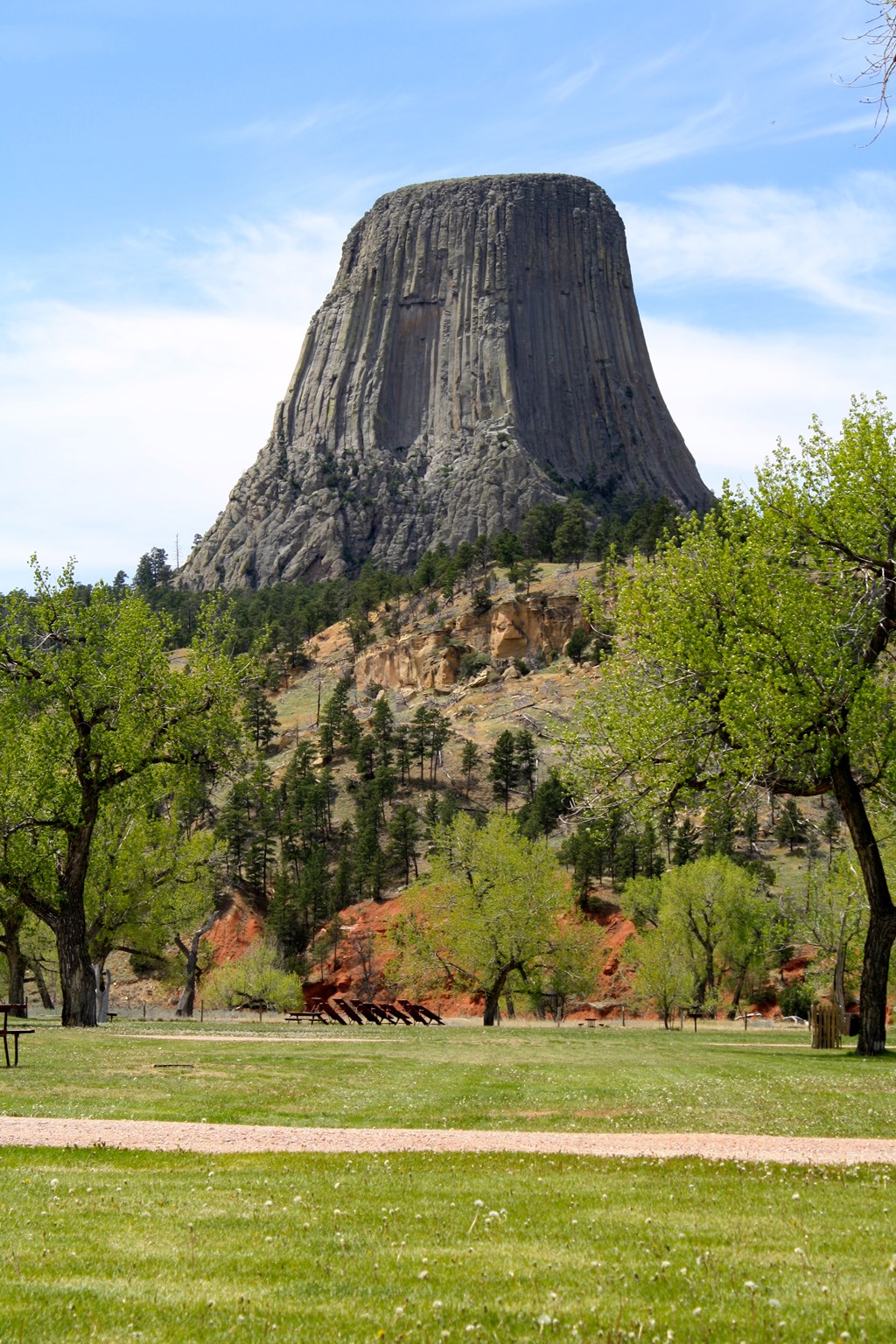
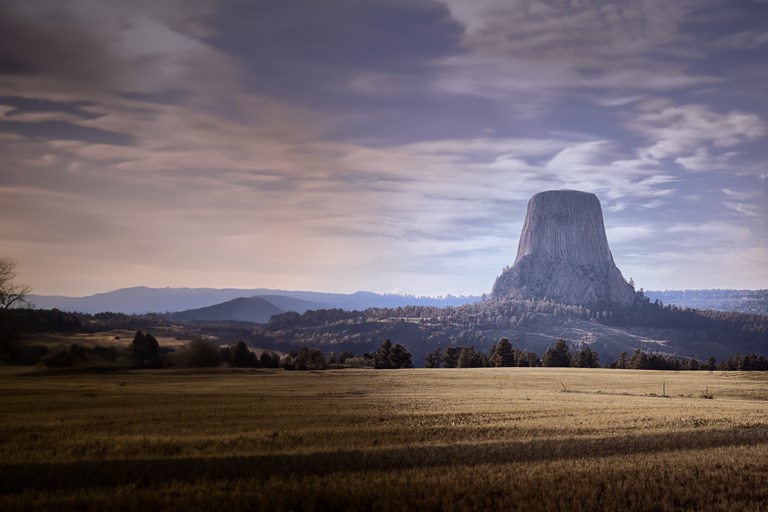
When visitors arrive at Devils Tower, they are often captivated by the monument itself. Rising dramatically above the Wyoming prairie, Devils Tower is one of America's most recognizable natural landmarks. Yet the open ranchlands, wildlife habitat, and scenic views surrounding the monument are also an important part of what makes this landscape so special.
One of the most significant efforts to protect the surrounding landscape has been the establishment of conservation easements on private lands near Devils Tower.
What Is a Conservation Easement?
A conservation easement is a voluntary legal agreement between a landowner and a qualified conservation organization or government entity. The easement permanently limits certain types of development while allowing the land to remain in private ownership and continue traditional uses such as ranching and agriculture.
Conservation easements are commonly used to protect wildlife habitat, agricultural land, scenic viewsheds, and historic landscapes for future generations. Because the easement remains attached to the property, its conservation protections continue even if ownership changes.
Conserving Land Around Devils Tower
In 2015, an agricultural conservation easement was completed on nearly 5,000 acres south and west of Devils Tower. The project was completed through a partnership involving the Driskill family and the Wyoming Stock Growers Land Trust. The land is part of the larger Campstool Ranch, one of the oldest ranching operations in northeastern Wyoming.
According to the Wyoming Stock Growers Land Trust, the primary purpose of the easement was to protect the agricultural value of the property while also conserving wildlife habitat and preserving the open spaces visible to the hundreds of thousands of people who visit Devils Tower each year.
A Larger Conservation Effort
The Campstool Ranch easement is part of a broader conservation initiative in the Devils Tower area.
Wyoming statutes authorized funding for what is known as the Devils Tower Conservation Easement project. The project identified approximately 7,493 acres in Crook County for permanent conservation protections intended to:
Prevent the loss of wildlife habitat.
Preserve viewsheds of local, regional, and national importance.
Maintain agricultural production on working ranch lands.
These goals recognize that the landscape surrounding Devils Tower contributes significantly to the visitor experience. The monument does not exist in isolation; it is part of a larger ecosystem and ranching landscape that has remained largely intact for generations.
Wildlife and Habitat Benefits
The lands surrounding Devils Tower provide habitat for a wide variety of wildlife species. Conservation efforts in the area focus on protecting habitat used by deer, elk, antelope, raptors, songbirds, amphibians, and other species native to northeastern Wyoming.
The Black Hills ecosystem, which extends into the Devils Tower region, is considered one of Wyoming's most productive wildlife areas. Protected ranchlands help maintain habitat connectivity and reduce the risk of fragmentation that can occur when large tracts of open land are subdivided for development.
Preserving Scenic Views
One of the most visible benefits of conservation easements around Devils Tower is the protection of scenic views.
Devils Tower National Monument attracts more than half a million visitors annually. Much of the iconic scenery experienced by those visitors includes private ranchlands that surround the monument. Conservation easements help ensure that these open landscapes remain largely unchanged, preserving the character of the area and the views that visitors have enjoyed for generations.
Balancing Conservation and Agriculture
An important aspect of the Devils Tower conservation effort is that it supports both conservation and agriculture.
Rather than removing land from productive use, conservation easements allow ranching operations to continue while limiting future development that could permanently alter the landscape. This approach helps maintain Wyoming's ranching heritage while protecting wildlife habitat and scenic resources.
Looking Ahead
More than a century after President Theodore Roosevelt designated Devils Tower as the nation's first national monument in 1906, efforts continue to protect not only the Tower itself but also the surrounding landscape that contributes to its significance.
Through conservation easements, working ranches, wildlife habitat, and open viewsheds can remain part of the Devils Tower experience for future generations. These conservation partnerships help ensure that visitors will continue to encounter the same sweeping Wyoming landscape that has defined Devils Tower for decades.