Indian Paintbrush: A Wyoming Treasure and Symbol of the West
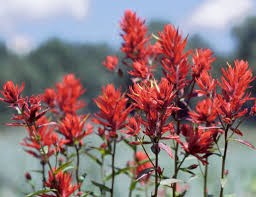
Few wildflowers are as instantly recognizable as the Indian paintbrush. With its brilliant red, orange, and occasionally pink or yellow blooms, this striking plant brightens roadsides, prairies, mountain meadows, and open forests throughout the western United States. In Wyoming, the Indian paintbrush holds a special distinction: it is the official state flower.
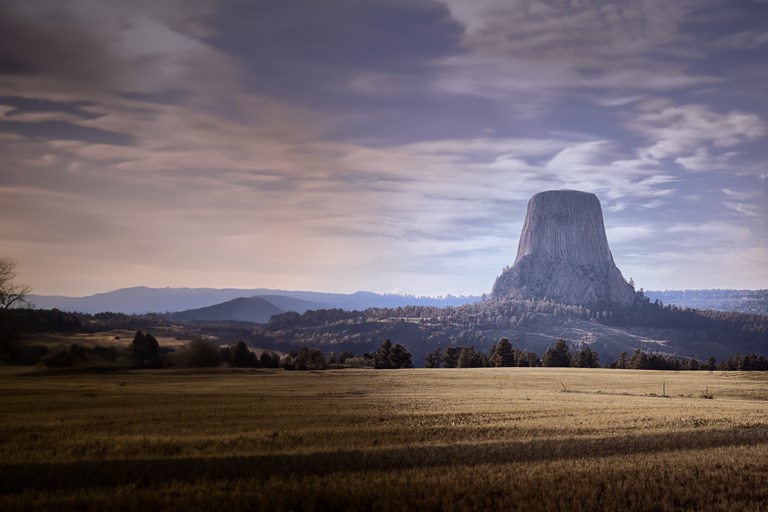
More than just a beautiful wildflower, Indian paintbrush plays an important role in Wyoming's natural ecosystems, cultural heritage, tourism industry, and outdoor recreation economy. From the grasslands surrounding Devils Tower to the alpine meadows of the Wind River Range, this colorful native plant is woven into the identity of the Cowboy State.
What Is Indian Paintbrush?
The plant commonly known as Indian paintbrush belongs to the genus Castilleja, which contains more than 200 species native to North and South America. Wyoming's state flower is specifically the species Castilleja linariifolia, commonly called Wyoming Indian paintbrush.
Despite its vibrant appearance, the colorful portion of the plant is not actually a flower. The bright red or orange structures are specialized leaves called bracts. The true flowers are small and tubular, emerging from within these colorful bracts.
Indian paintbrush typically blooms from late spring through midsummer, although flowering times vary depending on elevation and weather conditions.
Why Wyoming Chose Indian Paintbrush as Its State Flower
In 1917, Wyoming officially designated Indian paintbrush as the state flower.
The selection reflected the plant's widespread presence across Wyoming's landscapes and its striking appearance. Unlike many state flowers that are limited to certain regions, Indian paintbrush can be found throughout much of Wyoming, from plains and foothills to mountain environments.
The plant's vibrant color and resilience also align closely with Wyoming's rugged character. It thrives in challenging conditions, including dry soils, strong winds, intense sunlight, and variable weather—conditions familiar to anyone who has spent time in Wyoming.
Today, the Indian paintbrush appears on educational materials, tourism publications, artwork, souvenirs, and state-themed merchandise, making it one of Wyoming's most recognizable botanical symbols.
A Unique Survival Strategy
One of the most fascinating aspects of Indian paintbrush is its unusual biology.
Indian paintbrush is classified as a hemiparasitic plant. Unlike fully parasitic plants, it can produce some of its own food through photosynthesis. However, it also obtains water and nutrients from neighboring plants through specialized root structures called haustoria.
These roots connect to nearby grasses, sagebrush, and other native plants, allowing Indian paintbrush to supplement its nutrient intake.
This relationship helps explain why Indian paintbrush can be difficult to cultivate in gardens. The plant often relies on nearby native species to thrive and reproduce successfully.
Scientists consider this adaptation an important part of the plant's ecological success throughout the western United States.
Importance to Pollinators
Indian paintbrush serves as a valuable nectar source for many pollinating species.
Hummingbirds are among its most important pollinators. The tubular flowers are especially well-suited to the long bills of hummingbirds, which can access nectar deep within the flower.
Native bees, butterflies, moths, and other insects also visit Indian paintbrush flowers throughout the growing season.
Pollinators are essential to healthy ecosystems because they help plants reproduce and support food production for wildlife. By providing nectar resources during critical periods of the year, Indian paintbrush contributes to the overall health and diversity of Wyoming's native habitats.
Indian Paintbrush and Wyoming's Ecosystems
Indian paintbrush is found in a wide variety of habitats throughout Wyoming.
Common locations include:
Mixed-grass prairies
Sagebrush steppe
Ponderosa pine forests
Mountain meadows
Foothills
Open woodlands
Roadsides and grasslands
Near Devils Tower and throughout the Black Hills region, Indian paintbrush often grows alongside native grasses, prairie wildflowers, ponderosa pines, yarrow, blanketflower, purple coneflower, and prairie sage.
As a native species, Indian paintbrush plays an important role in maintaining biodiversity. Native plants provide habitat and food sources that many wildlife species have depended on for thousands of years.
As native ecosystems face pressures from development, invasive species, and climate change, preserving native wildflowers such as Indian paintbrush becomes increasingly important.
Cultural Significance
Indian paintbrush has cultural importance for many Indigenous peoples throughout the American West.
Various tribes have incorporated different species of paintbrush into traditional stories, ceremonies, and medicinal practices. Folklore often explains the flower's vivid red color through stories involving warriors, artists, sunsets, or sacred paint.
One of the most commonly shared legends tells of a young artist who was given paintbrushes filled with the colors of the sunset. After completing his work, he left the brushes scattered across the landscape, where they transformed into the brilliant wildflowers seen today.
While versions of this story vary among regions and cultures, the legend reflects the deep connection many Indigenous communities have with native plants and the natural world.
Economic Importance
Although Indian paintbrush is not an agricultural crop, it contributes significantly to Wyoming's economy through tourism and outdoor recreation.
Every year, millions of visitors travel to Wyoming to experience its natural beauty. Wildflower viewing is an important component of this tourism industry.
Popular destinations such as:
Devils Tower National Monument
Yellowstone National Park
Grand Teton National Park
Bighorn National Forest
Medicine Bow National Forest
The Black Hills region
All feature seasonal displays of native wildflowers, including Indian paintbrush.
Photographers, hikers, birdwatchers, campers, and nature enthusiasts contribute millions of dollars annually to Wyoming's economy through lodging, dining, fuel purchases, guide services, and recreational activities.
The state's iconic wildflowers help create the scenic landscapes that attract visitors from around the world.
A Symbol Worth Protecting
The Indian paintbrush represents much more than a colorful bloom.
It symbolizes Wyoming's natural heritage, supports pollinators, contributes to healthy ecosystems, and helps sustain the outdoor recreation economy that supports communities across the state.
Whether growing in a mountain meadow, a prairie near Devils Tower, or along a winding highway through the Black Hills, Indian paintbrush serves as a reminder of Wyoming's remarkable landscapes and the importance of preserving them for future generations.
For visitors exploring the Devils Tower region, spotting a patch of Indian paintbrush in bloom offers more than just a beautiful photo opportunity. It provides a glimpse into the ecological richness, cultural history, and enduring spirit of the American West.