6 Winter Wildlife in OBX
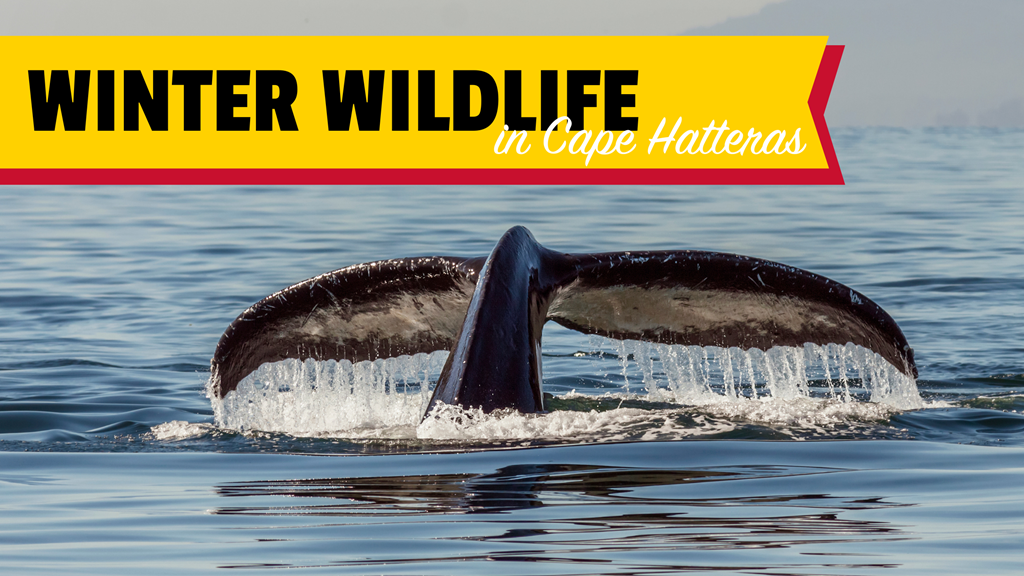
Winter Wildlife in the Outer Banks: A Cape Hatteras Adventure
When most people think of the Outer Banks, they imagine summer days filled with sandy beaches and warm ocean breezes. However, the winter season in this coastal paradise offers a completely different and equally magical experience: wildlife watching. Cape Hatteras, in particular, transforms into a haven for nature enthusiasts during the colder months, with unique species and breathtaking natural displays. Here are the top kinds of winter wildlife you can encounter in this remarkable area.
1. Migratory Birds
Winter is prime time for birdwatchers in the Outer Banks. Cape Hatteras is a key stopover along the Atlantic Flyway, attracting countless migratory species seeking refuge from the harsh northern winters. Look out for:
Tundra Swans: Graceful and striking, these large white birds flock to the region’s marshes and sounds.
Snow Geese: Often seen in massive flocks, their synchronized flights are a sight to behold.
Northern Pintails and Wigeons: These elegant ducks add a splash of color to the coastal waters.
Peregrine Falcons: Keep an eye on the skies for these swift raptors hunting along the shoreline.
Bring your binoculars and visit Pea Island National Wildlife Refuge, a hotspot for spotting these and other avian visitors.
2. Seals
While seals are more commonly associated with northern climates, they make occasional appearances in the Outer Banks during the winter. Harbor seals are the most frequently spotted species, often seen basking on sandbars or rocky outcroppings. These marine mammals are shy, so be sure to observe them from a respectful distance.
3. Whales
Winter marks the migration of several whale species along the Atlantic coast. Off the shores of Cape Hatteras, you might catch a glimpse of:
Humpback Whales: Known for their acrobatic breaches and tail slaps.
Fin Whales: The second-largest whale species, often identified by their sleek, elongated bodies.
Minke Whales: Smaller and more elusive, but occasionally spotted nearshore.
Chartered whale-watching tours can enhance your chances of witnessing these majestic creatures.
4. Bottlenose Dolphins
Dolphins are a year-round presence in the Outer Banks, but winter offers a special opportunity to see them in smaller, more active pods. These intelligent and playful creatures can often be seen riding the waves near the shore or following fishing boats.
5. Red Drum and Winter Fish
For anglers, Cape Hatteras remains a fishing haven even in the colder months. The red drum, North Carolina’s state fish, is a popular catch in winter, along with speckled trout and striped bass. These fish thrive in the cooler waters, making surf fishing a rewarding winter activity.
6. Wild Horses
The famous Corolla wild horses, descendants of Spanish mustangs, roam the northern stretches of the Outer Banks year-round. Winter provides a quieter, less crowded opportunity to view these resilient animals grazing in the dunes or along the beaches. Bundle up and take a guided tour to learn more about their history and habitat.
Tips for Winter Wildlife Viewing
Dress Warmly: Coastal winds can make the temperatures feel colder than expected.
Use the Right Gear: Binoculars, spotting scopes, and cameras with telephoto lenses are invaluable for getting a closer look at wildlife.
Visit Wildlife Refuges: Areas like Pea Island and Alligator River National Wildlife Refuge are excellent for spotting a variety of species.
Practice Ethical Wildlife Watching: Maintain a safe distance and avoid disturbing animals in their natural habitats.
Cape Hatteras in the winter is a treasure trove for wildlife enthusiasts. From the graceful tundra swans to the majestic humpback whales, the variety of species and natural beauty will leave you in awe. So, pack your gear, embrace the crisp coastal air, and immerse yourself in the serene and wild side of the Outer Banks this winter.
Book Your Stay