What makes a monsoon a monsoon?
Afternoons for the past couple of months have been pretty predictable. You will notice that the humidity rises, the sky gets dark with clouds and the temperature drops and it is probably going to rain. This being my first monsoon season here in northern New Mexico I was curious as to what makes a monsoon a monsoon. Turns out there is an answer to that question:
A monsoon in New Mexico is defined not just by heavy rain, but by a seasonal shift in wind patterns that brings moisture-laden air from the Gulf of Mexico and the Pacific Ocean into the normally dry Southwest. This shift typically occurs between late June and early September and leads to increased humidity, thunderstorms, and dramatic weather changes—especially in the afternoons and evenings.
What makes it a monsoon (rather than just a rainy season) is this consistent, large-scale change in atmospheric circulation, which draws moisture northward into New Mexico. Once the moisture hits the heat of the land, afternoon thunderstorms often erupt, bringing intense but short-lived downpours, lightning, strong winds, and sometimes flash flooding.
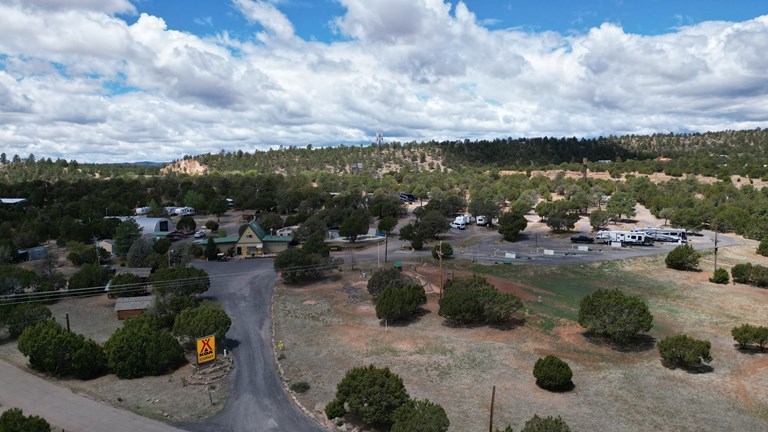
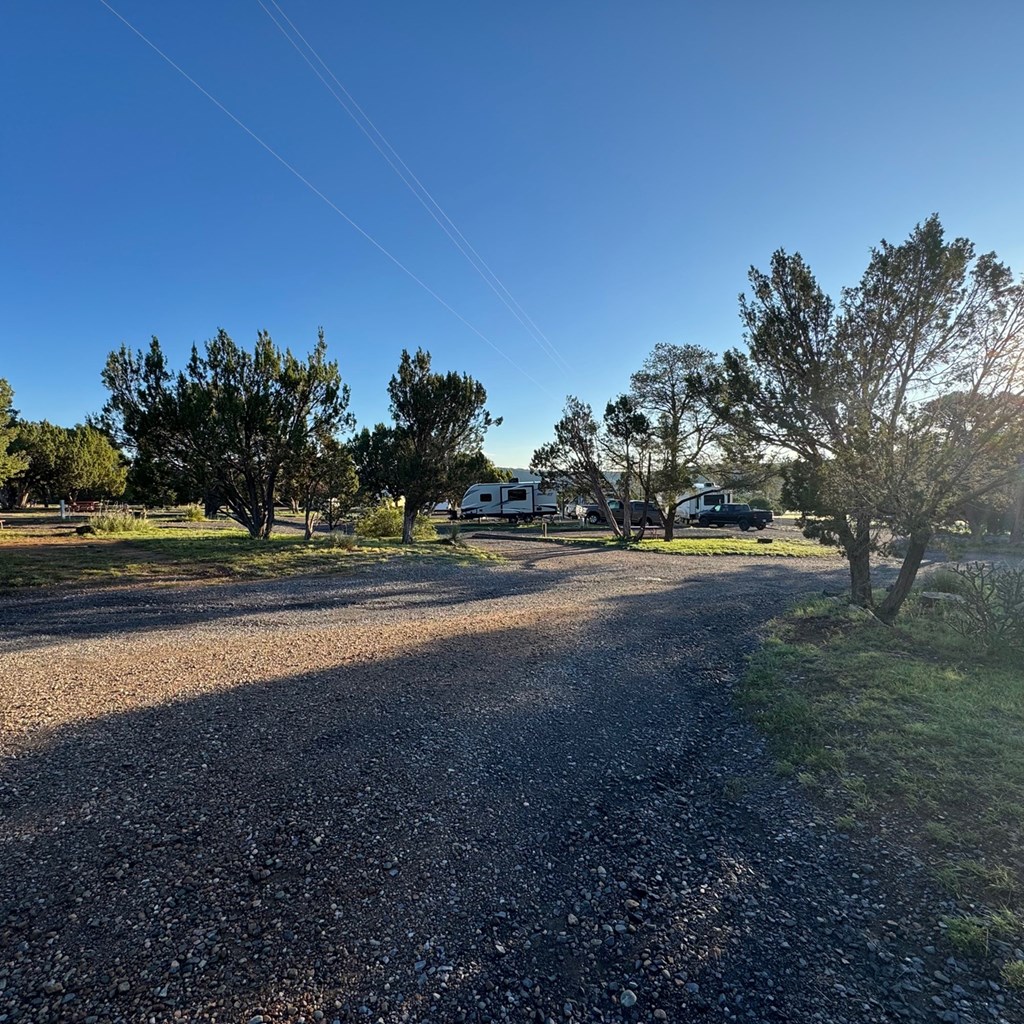
Living in the southwest we know that we need all the rainfall that we can get to help with the drought situation that we are facing. The fact that the ground is dry and the rain is heavy we tend to end up with run-off. Our fantastic maintenance crew is in the process of figuring out how to redirect the water so as it runs though the campground without causing any issues. If you are visiting our campground and you notice ruts in the roads please know that the crew is working on filling them in and smoothing out the roads but it can be an uphill battle, quite literally in some cases. We ask that you have some patients and understanding that water is unpredictable, but if you have something that is causing an issue for you please let the office know so we can have them take a look at it.